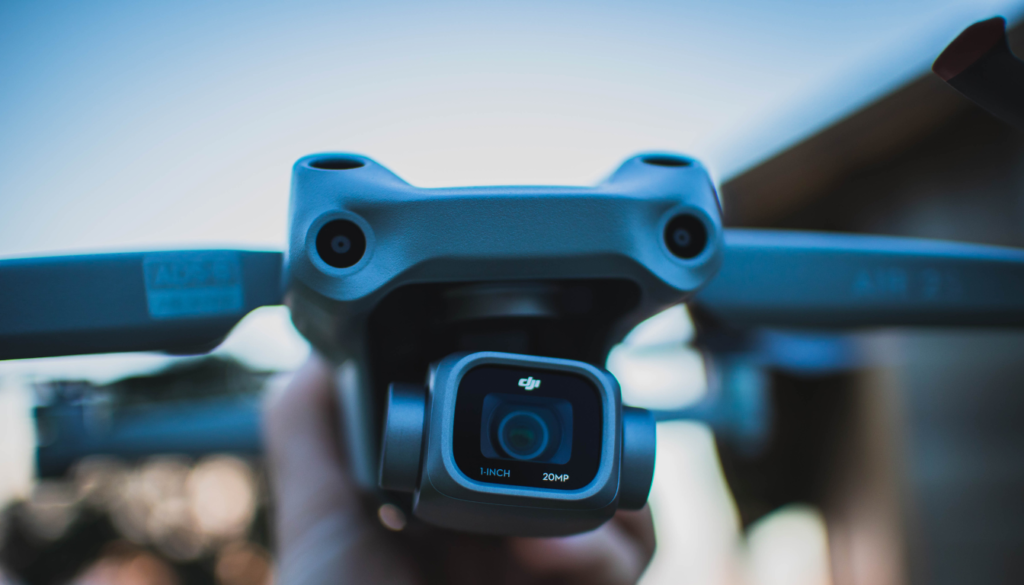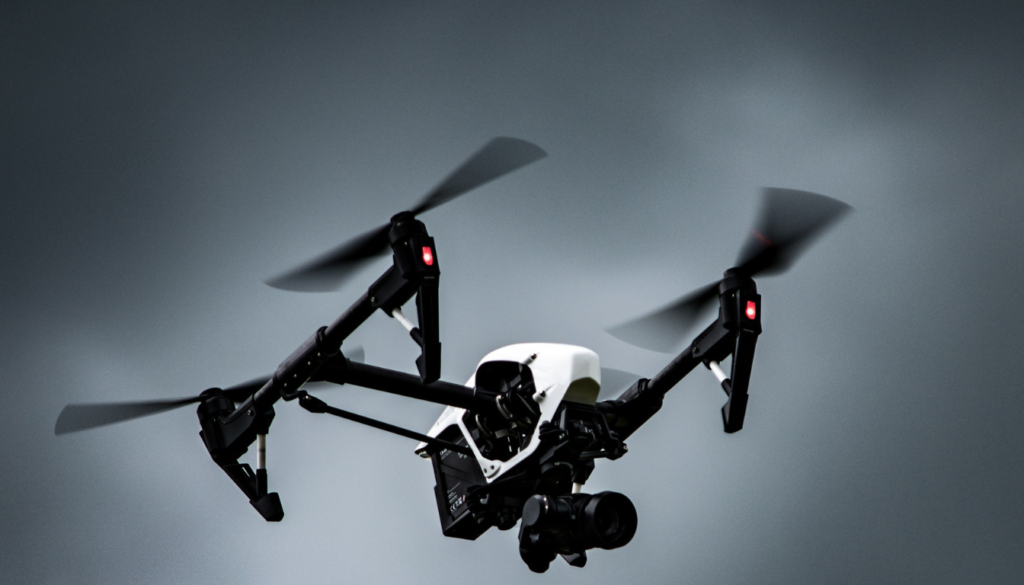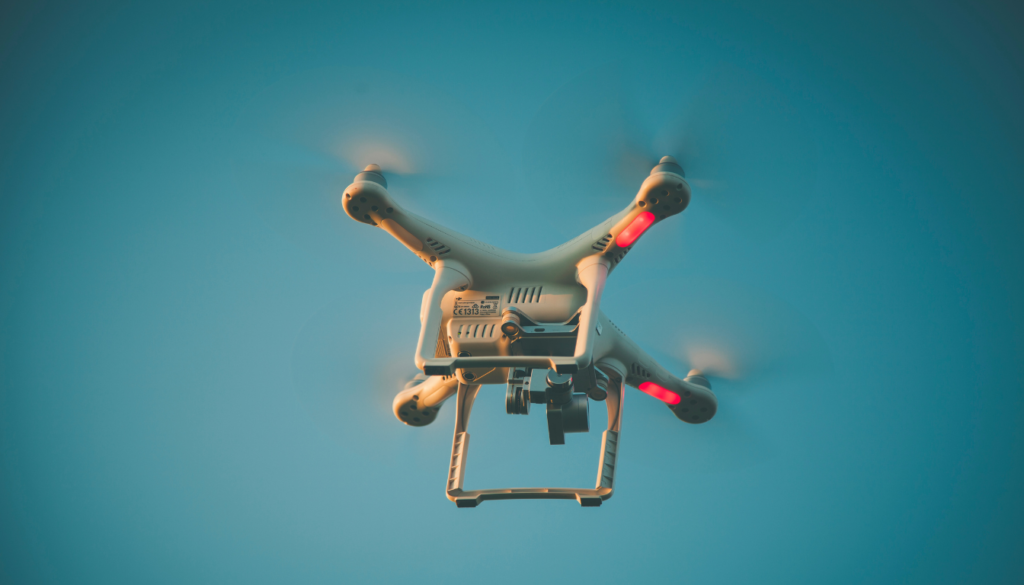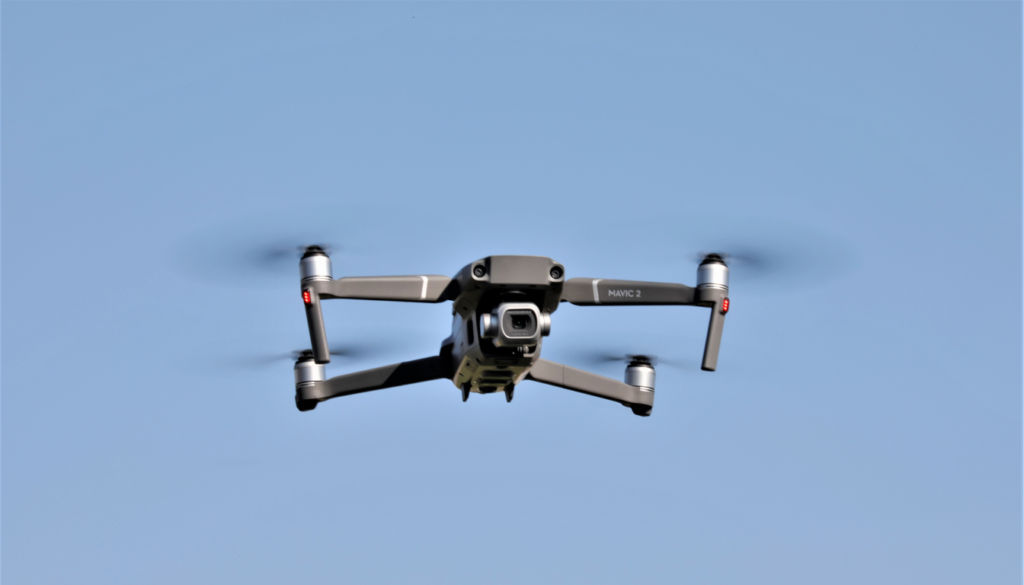
Cheapest Drone With Thermal Camera Under $500: The Short Answer
There’s no factory-made, ready-to-fly drone with a real thermal camera for under $500, and we looked hard before concluding that. Entry-level thermal drones start around $3,000 to $5,000, and anything under $500 wearing the word “thermal” is either mislabeled or a toy.
Two honest paths exist if you’re stuck at this budget anyway. You can build your own by mounting a real thermal camera module onto a cheap hobby drone, or you can buy a genuine handheld thermal camera like a FLIR ONE and skip the drone entirely. A phone-mounted thermal camera you carry in your hand often does the job better than a drone would, since you’re not fighting a live video feed to point it. We’ll walk through both routes below.
- Real thermal, no drone, under $500: FLIR ONE Edge Pro, genuine 160×120 radiometric sensor, about $400 to $450: check price on Amazon
- Cheaper real thermal option: FLIR ONE Pro, wired, about $350: check price on Amazon
- The DIY route: a $150 to $250 hobby drone plus a separate thermal module, total cost lands near $500 if you’re willing to build it yourself
- If you just want a cheap drone and don’t actually need thermal: DJI Neo (~$199), Ryze Tello (~$199), or HOVERAir X1 (~$399) are honest, capable budget camera drones
Why No Real Thermal Camera Drone Exists Under $500
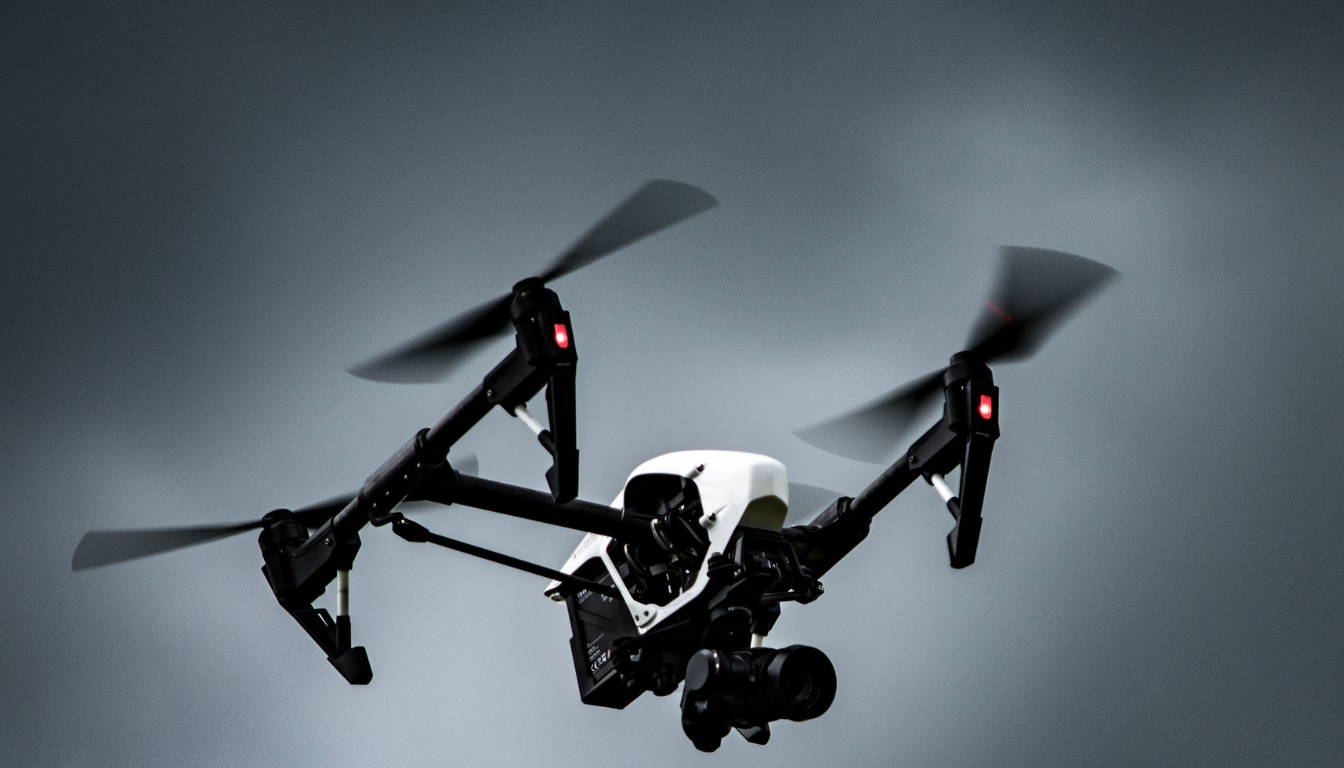
A thermal sensor is expensive to build. That cost doesn’t disappear just because the drone around it is cheap. The microbolometer, the actual sensor chip that detects heat, costs money on its own. That’s before you add a drone body, a gimbal, GPS, a battery, and a controller. Add it all up. You land at $3,000-plus for the cheapest option that works. That’s the Autel EVO Lite Enterprise, a 640×512 sensor, around $3,300 to $3,600.
Ask on Reddit’s drone forums. You’ll get the same answer from real owners. There’s nothing affordable about real thermal imaging drones. People who’ve gone looking confirm it again and again. It’s not a conspiracy to overcharge you. It’s just what the hardware costs.
What You’re Actually Buying If You Search This on Amazon
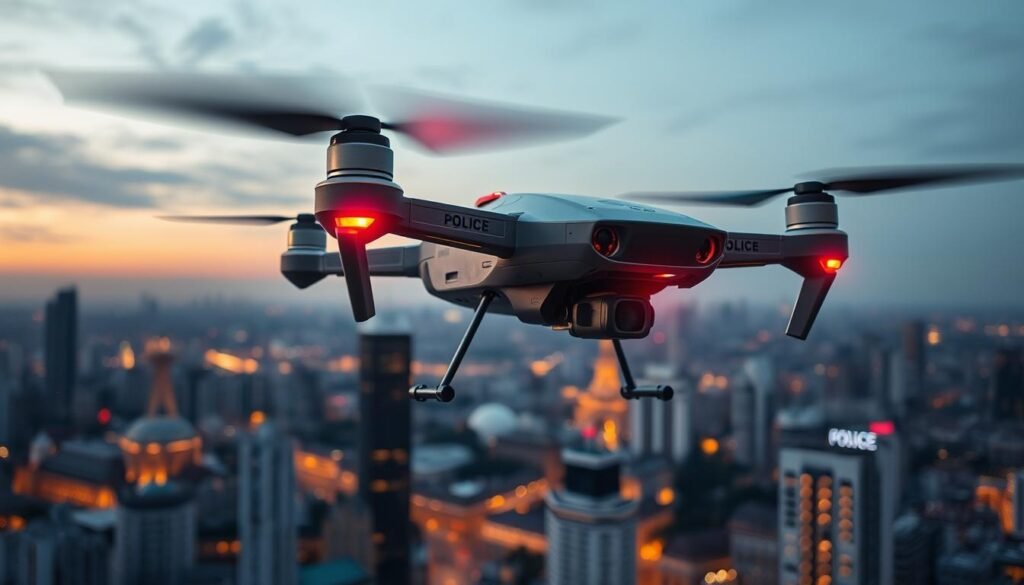
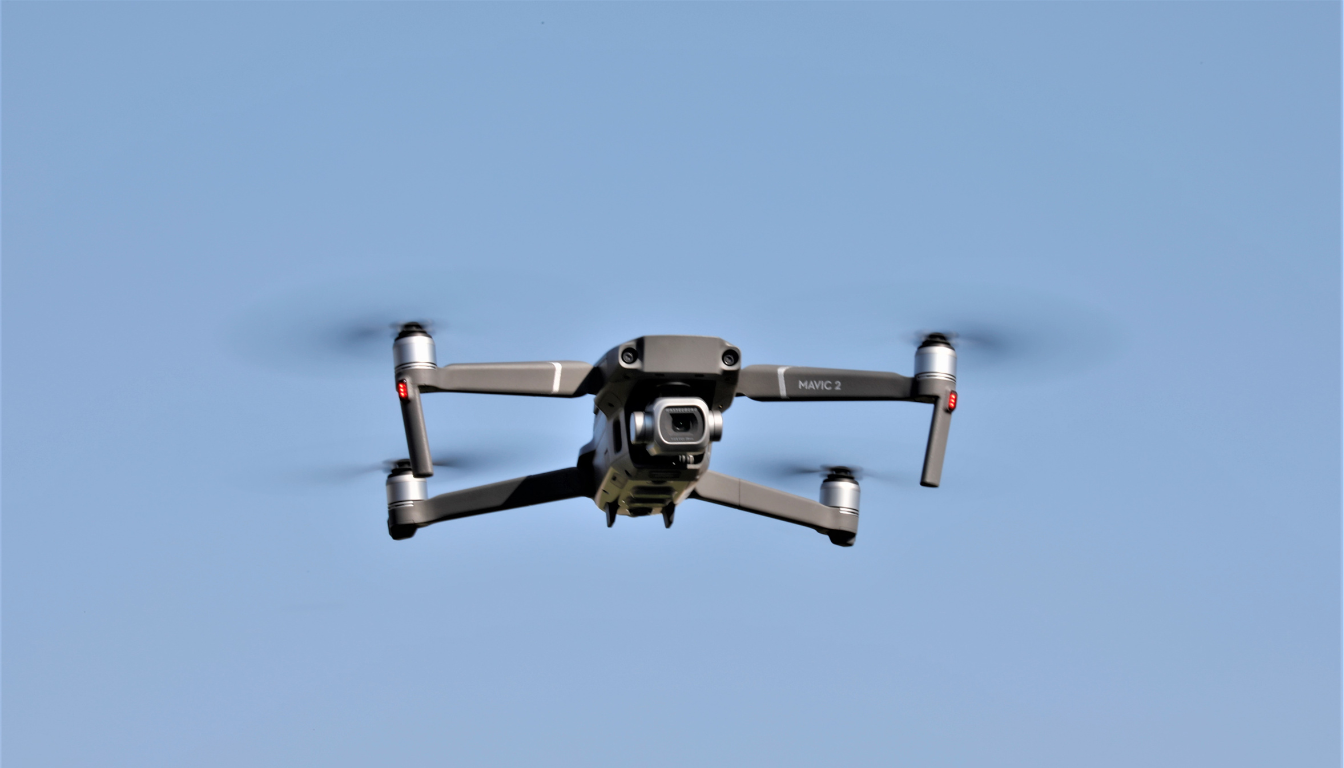
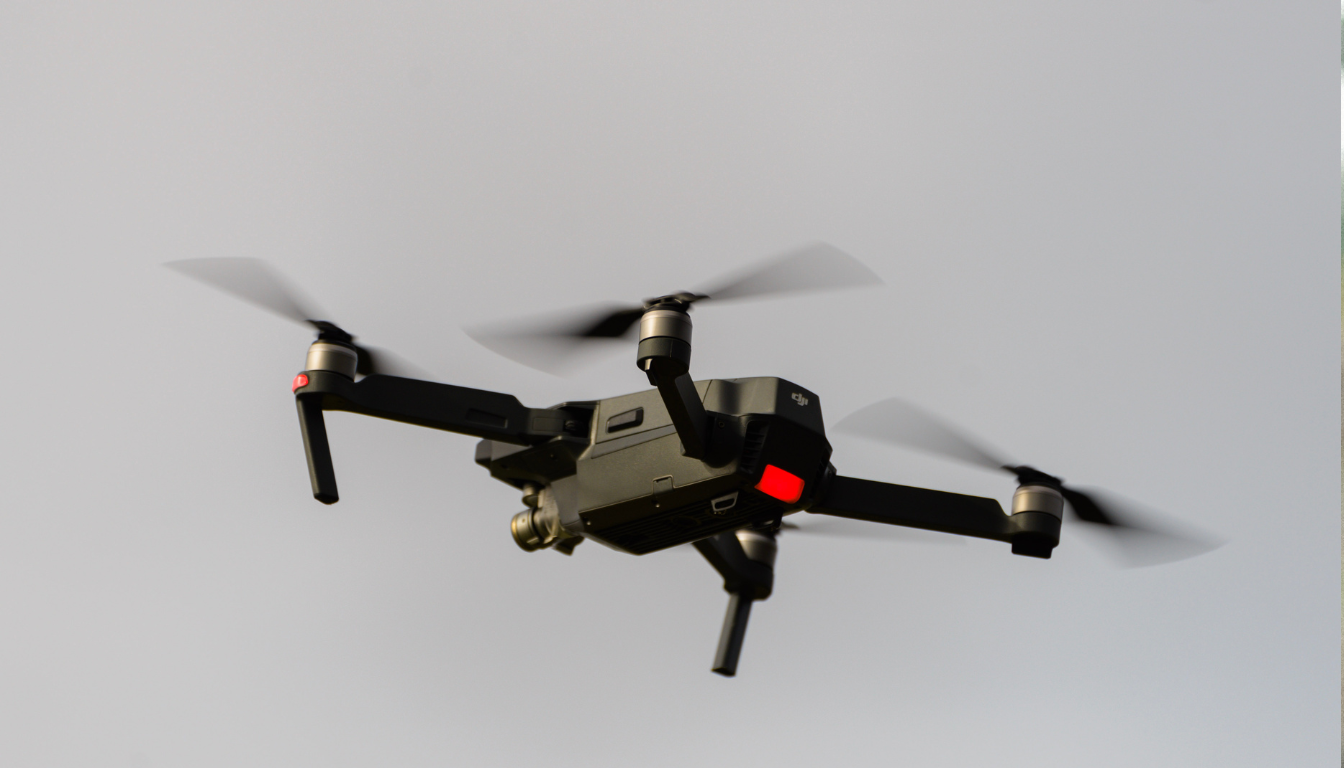
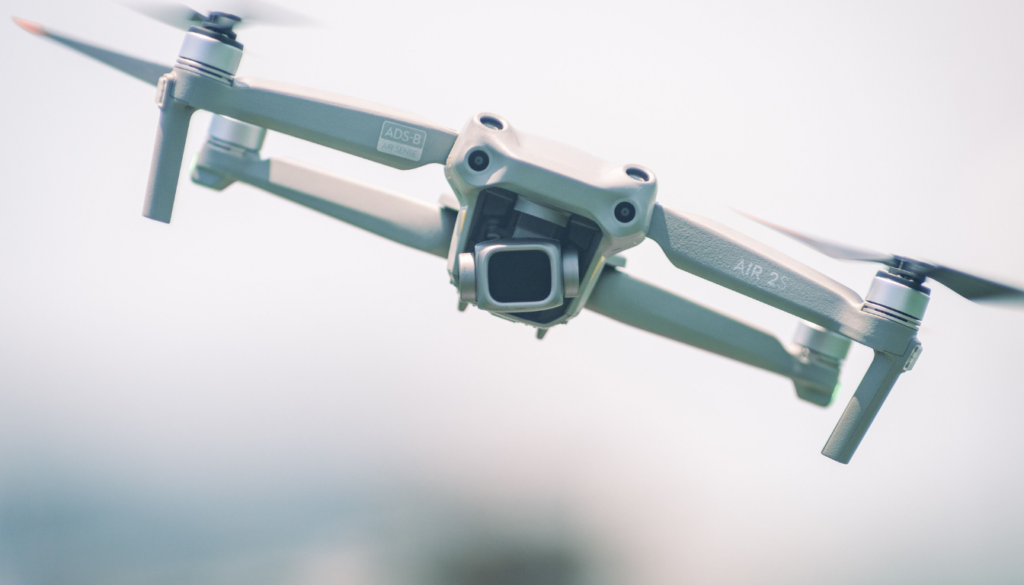
Search “drone with thermal camera” on Amazon and you’ll find plenty of listings, priced at $60, $160, $300. Click through and you’ll find a normal camera drone with a “night mode” or a slightly better low-light sensor. It’s sold under a thermal or night-vision category because that’s where the search traffic is. Not because the camera detects heat. Walmart’s own “drones with thermal cameras” page does the same thing. It lists a Holy Stone drone with a regular 4K camera under a thermal heading.
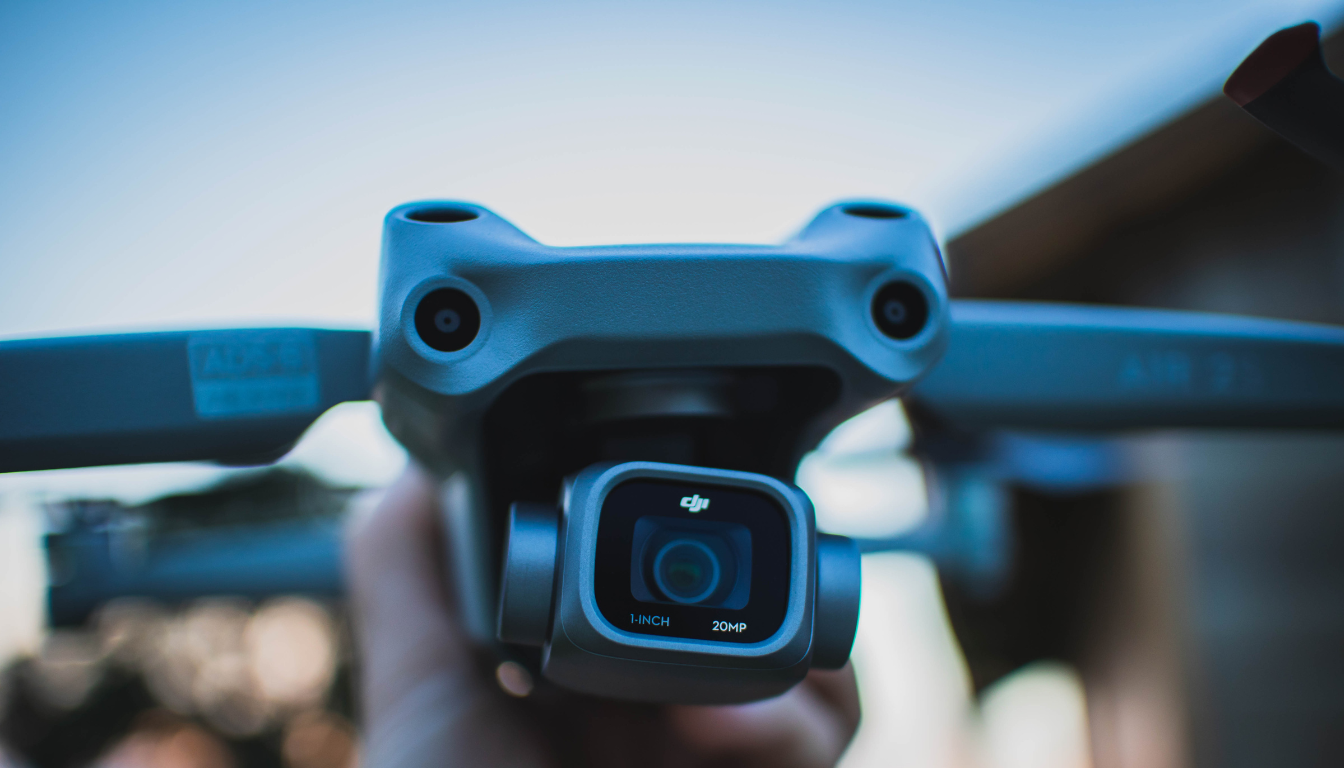
Is that a scam? Not exactly. It’s aggressive keyword categorization. The seller knows people search “thermal” and tags the listing accordingly. But it means the $150 drone you’re eyeing has a normal camera. It’s got slightly better low-light performance, not a sensor that reads heat. Fine product if low light is all you need. Useless if you need thermal detection, and no clever listing copy changes that.
Option 1: Buy Real Thermal, Skip the Drone
This is the option we’d point most people toward. It solves the underlying need, seeing heat, better than a cheap drone would, and it’s available under $500.
The FLIR ONE Edge Pro is a real, radiometric thermal camera that clips onto or wirelessly pairs with your phone. It uses a real 160×120 thermal sensor, upscaled to 480×360 through FLIR’s processing. It reads temperature within a few degrees. It connects over Bluetooth, so you’re not locked to a cable. It’s built by Teledyne FLIR. That’s the same company behind the thermal sensors in most professional drones costing ten times as much. Typical price is $400 to $450.
If that’s still too much, the FLIR ONE Pro is cheaper. It’s wired, plugs straight into your phone’s port, and uses the same sensor class. It typically runs $350. There’s also an entry-tier FLIR ONE around $250 with a smaller 80×60 sensor, usable but noticeably less detailed.
They don’t fly, obviously. Walk a property line at night. Check a wall for a heat leak. Find a lost pet’s heat signature in the yard. Spot an animal in the dark. That covers the real reasons most people type “cheap thermal drone” into Google. And honestly, for a lot of that, standing there with a phone in your hand beats a drone buzzing overhead. You get closer, steadier, more precise control.
Check the FLIR ONE Edge Pro price on Amazon

Option 2: The DIY Route (Google’s AI Overview Actually Recommends This Too)
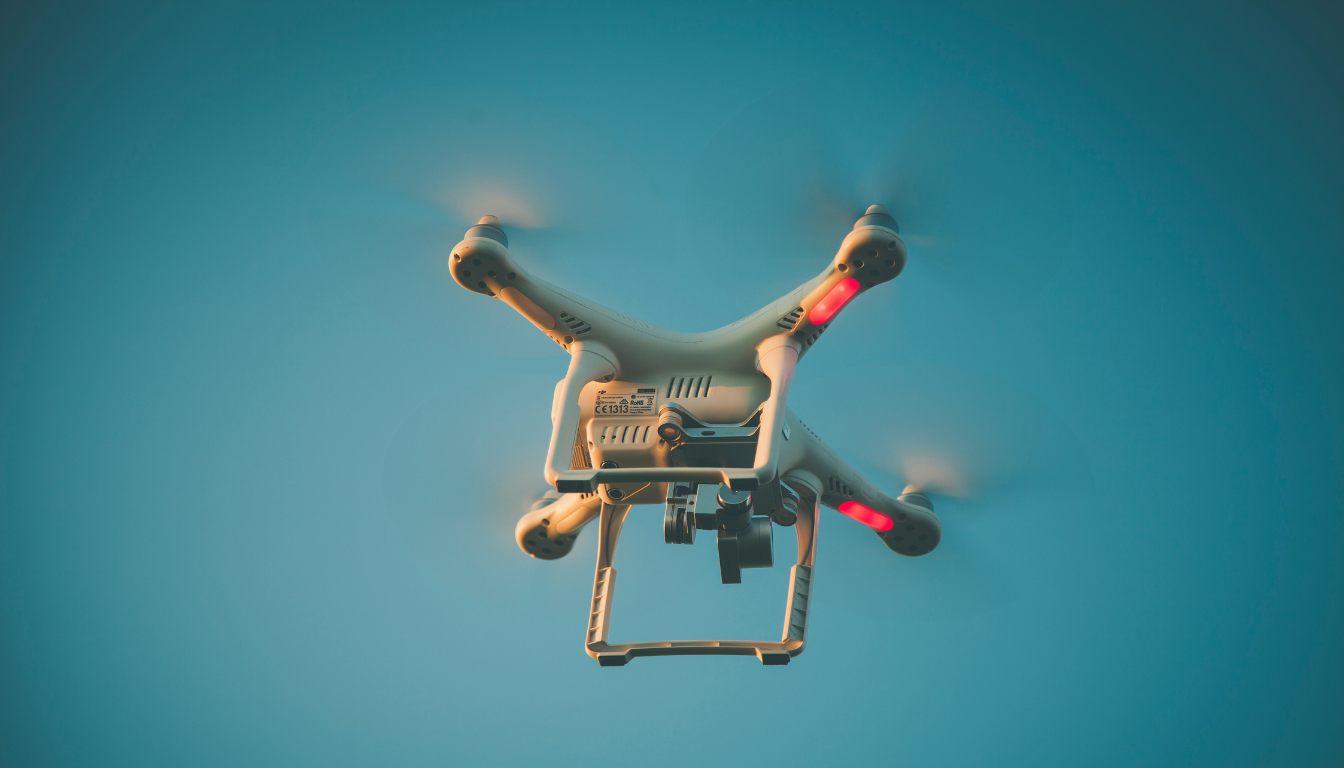
If you genuinely need the camera in the air, the honest path at this budget is building it yourself. Buy a lightweight hobby drone with a payload mount, and attach a separate low-cost thermal camera module to it. People do this, and it works, within limits.
A basic 256×192 thermal module runs around $150 to $250 on its own. Pair it with a $150 to $250 hobby drone. It needs a mounting point and enough lift to carry the extra weight. That lands you close to $500 total. It runs a bit over once you add a video transmitter to see the feed in flight.
Keep expectations in check here. You’re not getting stabilized gimbal footage, radiometric temperature data, or anything close to what a $3,000 integrated thermal drone delivers. You get a basic heat-difference image from a low-resolution sensor. It’s bolted onto a drone that wasn’t built to carry it. You’ll rig up your own video link just to see the feed. It’s a real weekend project for someone who knows basic electronics and RC gear. It’s not a plug-and-play product you just charge and fly.
Best for: hobbyists who enjoy building things and understand they’re getting a rough, DIY-grade result, not a consumer product.
Option 3: Just Buy a Cheap Camera Drone (No Thermal, Honestly)
If what you want is a capable, affordable drone, and thermal was more of a “nice to have” than a firm requirement, buy one of these instead. All are well-reviewed budget camera drones. None claim thermal capability they don’t have. If you want a deeper comparison of budget picks in this exact range, our longest range drone under $200 guide covers several of these in more depth:
- DJI Neo (~$199): tiny, palm-launchable, genuinely good stabilized video for the price.
- Ryze Tello (~$199): a longtime favorite for learning to fly, basic camera, very forgiving.
- HOVERAir X1 (~$399): self-flying selfie drone with solid tracking modes.
- DJI Mini 3 (~$419) or DJI Flip (~$439): the step up if you want a sharper camera and don’t mind spending closer to the full $500.
They won’t see in the dark or detect heat. What you get instead is a real, capable flying camera for the money, no false promise attached.
Thermal Camera Budget Comparison: What $500 Actually Buys
Amazon listings and prices shift often, verify the live price.
| Option | Approx. cost | Real thermal? | Flies? | Best for |
|---|---|---|---|---|
| FLIR ONE Edge Pro | $400–$450 | Yes, 160×120 radiometric | No | Genuine heat detection, handheld |
| FLIR ONE Pro (wired) | ~$350 | Yes, 160×120 radiometric | No | Same, cheaper, wired |
| DIY drone + thermal module | ~$400–$550 total | Yes, low-res, unstabilized | Yes | Hobbyists willing to build it |
| “Thermal” drone under $200 on Amazon | $60–$200 | No, mislabeled camera drone | Yes | Low-light video, not heat detection |
| Autel EVO Lite Enterprise (real entry point) | ~$3,300–$3,600 | Yes, 640×512 radiometric | Yes | Anyone who genuinely needs an integrated thermal drone |
Is It Legal to Own a Thermal Drone or Camera?
Yes. Owning a thermal camera is legal in the US for civilians. That’s true whether it’s a phone attachment, a DIY drone build, or a professional system. Standard FAA drone rules apply if it flies. Register anything 250 grams or heavier. Pass the free TRUST test for recreational use. Follow normal airspace rules. Using thermal to surveil people or private property can break state privacy laws. That’s a separate issue from just owning the equipment. Use judgment about where you point it.
Infrared vs Thermal: They’re Not the Same Thing
Worth clearing up, since marketing uses these words interchangeably and they’re not the same thing at all. Thermal imaging detects heat directly. It needs zero ambient light. That’s what lets it see a warm body in total darkness. Infrared night vision, the kind in most budget “night vision” drones and cameras, works differently. It either amplifies small amounts of existing light, or it uses an IR illuminator to light up a scene invisibly. Either way, it still needs at least a little light or an active IR source to work. A cheap “night vision drone” almost always means the second kind, not real thermal. That’s why so many sub-$500 “thermal” listings aren’t really lying. They’re just using the wrong word for what they have.
Can a Smartphone Camera Detect Thermal or Infrared?
Not on its own. A standard phone camera sees visible light only, it cannot detect heat or infrared radiation without an attachment. That’s what the FLIR ONE and similar products do. A real thermal sensor plugs into or pairs with a phone you already own. You pay for the sensor, not a whole new device. No app or software update turns a normal phone camera into a thermal one. The hardware just isn’t there.
Warranty Reality at This Price Point
FLIR (Teledyne) backs the FLIR ONE line with a standard 1-year warranty. Owner reports on support are solid. Firmware updates keep coming years after launch. Replacement units ship quickly for verified defects. That’s a real point in the FLIR ONE’s favor. A random “thermal drone” listing under $200 often has vague warranty terms. Once the seller stops responding, that warranty is unenforceable anyway. If warranty and real support matter to you, that alone tips the scale. Pick the FLIR ONE over a cheap drone gamble.
The Bottom Line
If you searched “cheapest drone with thermal camera under $500” hoping to find one, it doesn’t exist yet, and every credible source, including Google’s own summary of this exact search, agrees. What you can actually get at this budget: a thermal camera you hold or mount yourself, the FLIR ONE Edge Pro is the cleanest version. A rough DIY drone build, if you enjoy that kind of project. Or a budget camera drone, if thermal wasn’t the requirement to begin with. One thing not to do: buy a $150 Amazon listing labeled “thermal drone” expecting it to detect heat. It won’t.
| Ready to decide? | Link |
|---|---|
| Real thermal, no drone | FLIR ONE Edge Pro on Amazon |
| Cheaper real thermal | FLIR ONE Pro on Amazon |
| Honest budget camera drone | DJI Neo on Amazon |

How This Was Researched
Every spec here came from manufacturer sheets first. We cross-checked Amazon and Walmart listings against what they deliver versus what the category tags claim. And we confirmed our conclusion against independent buying guides and Reddit owner discussions that reached the same answer we did. We did not test a DIY thermal drone build ourselves. That section reflects documented builds and component pricing, not our own field results. If you’ve built one, tell us how it turned out.
FAQs
What’s the cheapest drone with a thermal camera?
None exist under roughly $3,300, which is the price of the Autel EVO Lite Enterprise, the most affordable drone with a genuine integrated 640×512 thermal sensor. Anything under $500 claiming thermal is either a mislabeled regular camera drone or a DIY build combining a cheap thermal module with a hobby drone.
What is the cheapest thermal imaging camera overall?
Handheld phone-attachment thermal cameras like the FLIR ONE start around $250 for the smallest 80×60 sensor, with the more capable FLIR ONE Pro and Edge Pro running $350 to $450 for a sharper 160×120 sensor. These aren’t drones. They’re accessories that pair with a phone you already own, and skipping the whole flying-platform cost is exactly what makes them so much cheaper than an integrated thermal drone.
What is the best budget drone under $500?
If thermal isn’t required, the DJI Neo (~$199), Ryze Tello (~$199), HOVERAir X1 (~$399), and DJI Mini 3 or DJI Flip (~$419 to $439) are all solid, capable options. None have thermal cameras, but they deliver good value for the price without the misleading marketing some “thermal” listings use.
Do any drones actually have thermal cameras?
Yes, but not at budget prices. Real integrated thermal drones start around $3,300 (Autel EVO Lite Enterprise) and run up through $12,000-plus for professional platforms like the DJI Matrice 4T. Below that price range, drones marketed with “thermal” in the listing almost always have a regular camera with a night mode, not an actual heat-detecting sensor.
Is it legal to own a thermal drone?
Yes, in the US, owning thermal imaging equipment is legal for civilians, whether it’s a handheld camera, a DIY build, or a professional drone. Standard FAA rules apply if it flies (registration for anything 250 grams or heavier, the free TRUST test for recreational use). Using it to surveil people or private property can run into separate state privacy laws, so that’s about use, not ownership.
Which is better for detecting things in the dark, infrared or thermal?
Thermal wins clearly for total darkness, since it detects heat directly and needs no light source at all. Infrared night vision, the kind found in most budget “night vision” products, either amplifies existing light or uses an invisible IR illuminator, but it still needs at least some light or an active IR source to function. If you need to see in complete darkness with nothing else around, thermal is the only technology that does that.
What are the disadvantages of thermal cameras?
Resolution, mostly. Thermal images show heat differences, not fine visual detail, so you can tell something warm is there without seeing clear features. Cost is the other one. Real thermal sensors just cost more than a normal camera, full stop. And thermal can’t see through walls or glass, only surface heat, which catches a lot of first-time buyers off guard.
Is thermal night vision legal to use?
Generally yes for personal and property use, and the equipment itself isn’t restricted for civilians in the US. Specific restrictions can apply to certain uses, like hunting live game in most states, or surveillance that violates someone’s reasonable expectation of privacy. The technology itself isn’t the legal issue; how and where you use it is.
Can my cell phone see infrared or thermal on its own?
Nope. A standard phone camera only captures visible light, it has no built-in way to detect heat or infrared radiation. There’s a small exception: some phone sensors can pick up a faint trace of near-infrared light, which is why a TV remote sometimes shows a ghostly glow through a phone camera. That’s not thermal imaging, though, and it won’t show you body heat or temperature differences.
Can an iPhone act as a thermal camera?
Not by itself, but it can with a real thermal attachment. Products like the FLIR ONE Edge Pro connect wirelessly to an iPhone and provide the actual thermal sensor and processing the phone’s own camera doesn’t have. Without an attachment like this, no iPhone app or setting turns the built-in camera into a genuine thermal imager.
How do I know if a “thermal drone” listing on Amazon is actually thermal?
Check the specific resolution claimed for the thermal sensor itself (not the regular camera), and be skeptical of anything under roughly $500 to $1,000 using the word “thermal” without a specific sensor resolution and brand named. Genuine thermal sensors are described with real specs (640×512, 320×256, NETD ratings); listings that just say “night vision” or “thermal mode” without those details are almost always a regular camera with enhanced low-light performance, not real thermal.
Is there a real DIY option for a cheap thermal drone?
Yes, and it’s the one route that can genuinely land near $500 with real (if basic) thermal capability. Buy a lightweight hobby drone with a payload mount and enough lift for extra weight, then attach a separate 256×192 or similar thermal camera module, typically $150 to $250 on its own. It requires comfort with basic electronics and won’t match a proper integrated thermal drone, but it’s a legitimate, documented approach people actually use.
What resolution thermal camera do I actually need?
For serious use (finding a person or animal at real distance, professional inspection work), 640×512 is the current standard and the minimum worth trusting. For casual, close-range use like checking home insulation or spotting a pet’s heat signature in a yard, the 160×120 sensor in a FLIR ONE Pro or Edge Pro is genuinely usable. Anything below 80×60 (common in the cheapest DIY modules) is workable for basic heat-difference detection but won’t show fine detail.
Should I buy a cheap “thermal” drone or save up for a real one?
If you need genuine thermal capability for a real task (finding an animal in the dark, checking for a heat leak, actual inspection work), a cheap mislabeled drone will disappoint you and waste the money. Either buy a real handheld thermal camera under $500 (the FLIR ONE line) or save toward the roughly $3,300 entry point for an actual integrated thermal drone. If you’re just curious and don’t have a specific need, an honest budget camera drone without thermal claims is the better use of the money.
How can I tell if an infrared or thermal camera is watching me?
You generally can’t tell just by looking, since both technologies are invisible to the naked eye. Some infrared illuminators (used for basic night vision, not true thermal) produce a very faint red or purple glow visible up close in total darkness, and a phone camera can sometimes pick up an IR LED as a faint white or purple light that your eyes can’t see directly. True thermal cameras give off no visible light at all, so there’s no reliable way to spot one from a distance without specialized detection equipment.
About This Guide
The starting question for this guide was simple: does a real product actually match this search, or is the top result just marketing noise? We checked Amazon and Walmart listings against their actual specs, cross-referenced manufacturer data for every named product, and confirmed the conclusion against independent buying guides, forum threads, and Google’s own AI summary of this exact query, all landing on the same answer. Where a listing’s category tag didn’t match what the camera actually does, we said so instead of repeating it.