
Top Rated Drones Under $1000: The Short Answer
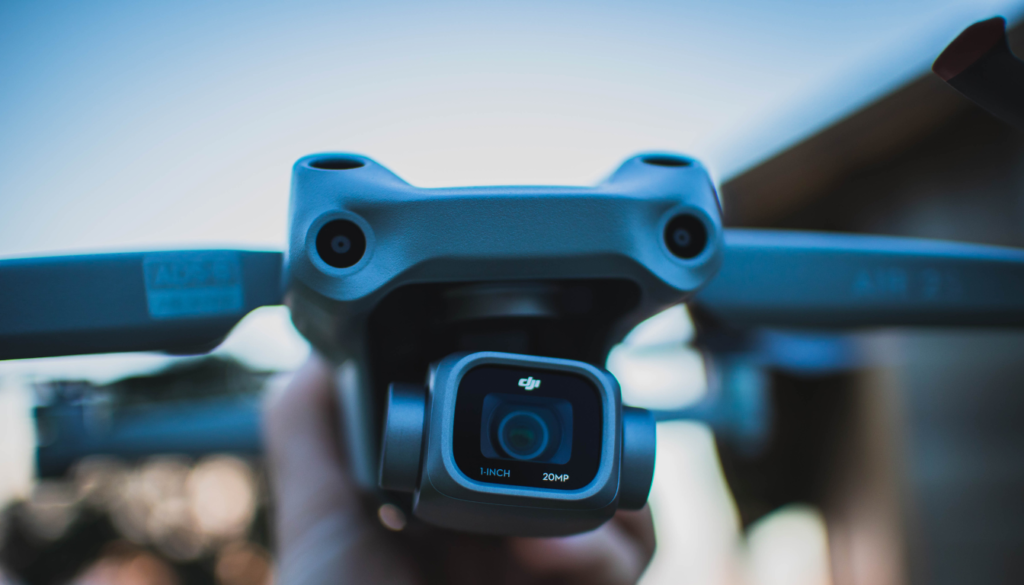
The top rated drone under $1000 right now is the DJI Mini 5 Pro. It costs about $759, packs a 1-inch camera sensor (a real jump in sensor size over the older Mini generations), and adds LiDAR obstacle sensing and avoidance, all in a body under 250 grams. Two years ago, those features cost $2,000 and weighed a kilogram. Now they fit in your jacket pocket.
The twist most lists miss: If you’re picturing a DJI Air 3S or a Mavic 3 Classic when you search this, you’re shopping for drones that don’t fit the budget anymore. The Air 3S now sells for $1,099. The Mavic 3 Classic launched at $1,469. Both were comfortably under a grand a couple of years back. Not now. Keep reading, and we’ll show you exactly what’s changed, what still qualifies, and which pick actually fits how you fly.
Quick Picks
- Best overall: DJI Mini 5 Pro, 1-inch sensor, LiDAR obstacle sensing, ~$759: check price on Amazon
- Best value if discounted: DJI Mini 4 Pro, still excellent, ~$759 and often cheaper: check price on Amazon
- Best non-DJI alternative: Potensic Atom 2, no DJI dependency, ~$299–$430: check price on Amazon
- Best self-flying pick: HOVERAir X1, hands-free follow-me drone, ~$399–$499: search on Amazon
- Best for FPV, immersive footage: DJI Avata 2, drone body ~$649, Fly Smart Combo with goggles ~$999: search on Amazon
- Cheapest genuinely capable drone: Holy Stone HS720E, GPS and brushless motors, ~$189–$230: check price on Amazon


DJI Mini 5 Pro: Best Overall
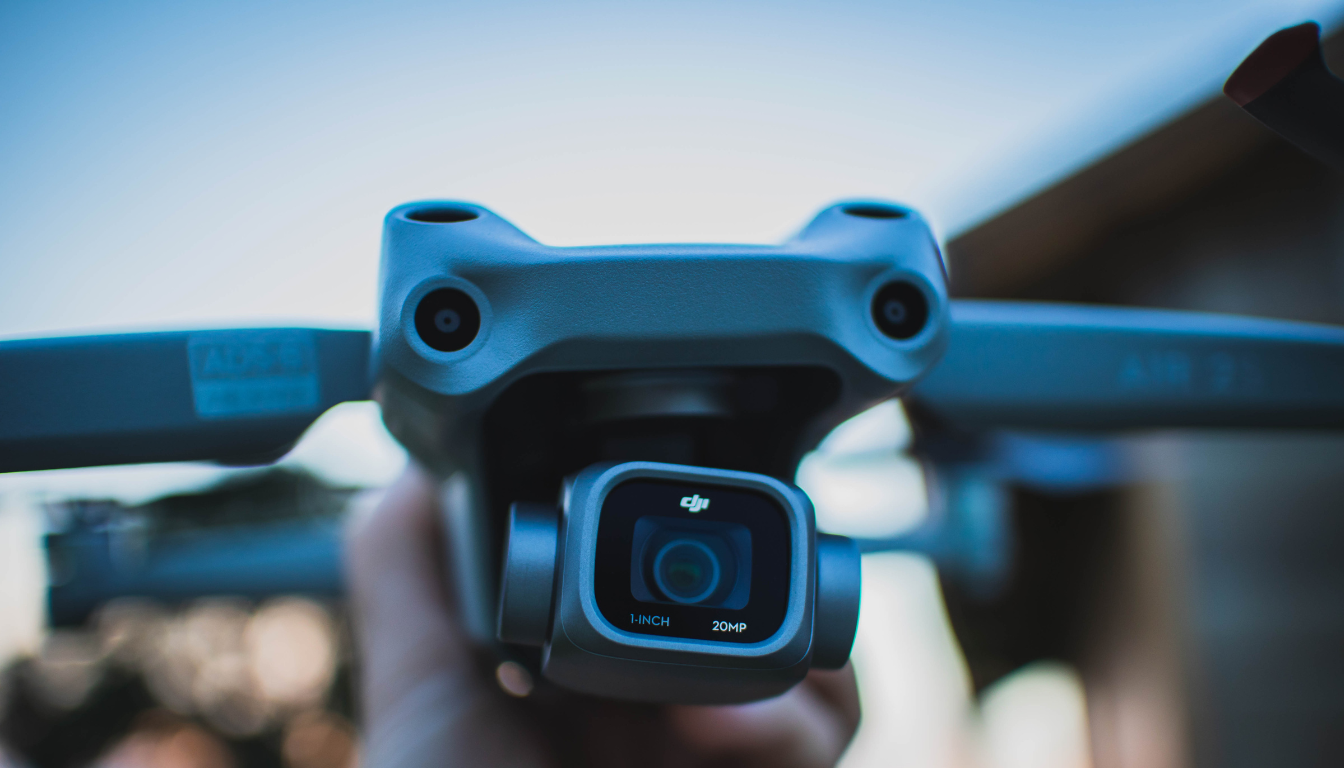
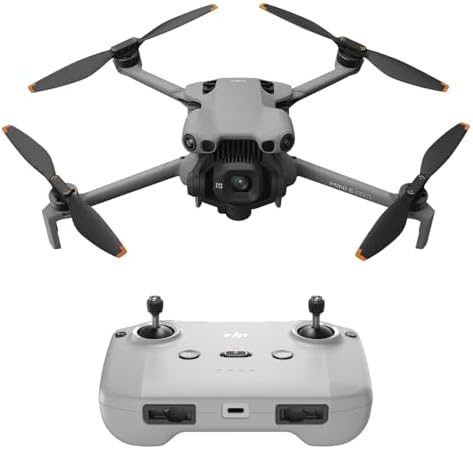
This is the one to buy if you’re not sure and don’t want to overthink it. The Mini 5 Pro packs a 1-inch camera sensor, the kind of hardware that used to mean carrying a much bigger, heavier drone. It still stays under 250 grams on the standard battery, so most hobby flying skips FAA registration entirely. It adds LiDAR obstacle sensing for flying safely at dusk, a 225-degree rotating gimbal for clean vertical video, and up to 42GB of storage if you forget an SD card.
We’ve covered this drone in full already, including the honest catches, real-world flight time runs shorter than the rated number, and it buffets a bit in strong wind, in our Mini 4 Pro vs Mini 5 Pro comparison. Short version: at $759, you pay the same as the older Mini 4 Pro but get better image quality. That math is easy to like.
Best for: anyone who wants the best camera in this price range and plans to keep the drone a while.
Check the DJI Mini 5 Pro price on Amazon
DJI Mini 4 Pro: Best Value, Especially Discounted
Google’s own AI summary for this exact search leads with this drone, and it’s a fair pick. The Mini 4 Pro brings full obstacle sensing, a solid 4K/60fps camera, and the same sub-250-gram body. It launched around $759, too. The real catch is this: the Mini 5 Pro now costs the same and beats it on image quality. So the Mini 4 Pro only wins the value argument once it’s discounted, which happens often now that it’s the older model.
We go deep on exactly when that trade makes sense in our Mini 3 Pro vs Mini 4 Pro writeup. If you find this one $100 or more below the Mini 5 Pro’s price, buy it without hesitation.
Best for: buyers who find it discounted and don’t need the newest sensor.
Check the DJI Mini 4 Pro price on Amazon
Potensic Atom 2: Best Non-DJI Alternative
If you’d rather sidestep DJI entirely, maybe over the ongoing US import situation, maybe just to compare, the Atom 2 has earned real respect from independent reviewers this year. Not just budget-brand goodwill. It uses a real 1/2-inch Sony sensor, shoots 48MP stills and 4K/30fps HDR video through a proper 3-axis gimbal, and stays under 249 grams. AI Track handles subject following. The Fly More Combo’s three batteries add up to about 96 minutes of flying.
Reviewers who’ve flown both put its image quality close to DJI’s Mini series, closer than any earlier Potensic drone managed. It won’t match DJI’s app polish or obstacle sensing. But for the price, and with zero DJI-related uncertainty, it’s the strongest alternative on the market right now. Base kit runs around $299. The Fly More Combo with three batteries runs closer to $430.
Best for: buyers who want DJI-adjacent image quality without buying DJI.
Check the Potensic Atom 2 price on Amazon
HOVERAir X1: Best for Hands-Free, Self-Flying Video
A different category entirely, worth knowing about if what you want is footage of yourself, not a landscape. The HOVERAir X1 launches from your palm, tracks you on its own, and flies pre-set paths with no controller needed. No piloting skill required. That’s the whole point. It’s built for solo travelers, athletes, or anyone who wants smooth follow-me video without learning to fly a drone the normal way.
It trades away the things a Mini-series DJI does well. Barely any obstacle sensing. Shorter range. Image quality that’s good but not in the same tier as the Mini 5 Pro. The Pro version runs closer to $499; the base X1 sits nearer $399.
Best for: solo creators who want automatic tracking shots without manual flying.
DJI Avata 2: Best for FPV, Immersive Flying
A different kind of drone entirely, and worth knowing about if you want the “flying through gaps and tight spaces” style of footage rather than smooth aerial shots. The Avata 2 is an FPV (first-person-view) drone. You fly it wearing goggles that show the drone’s live view, so it feels like you’re inside the shot, not watching from above. It flies through doorways, between trees, and close to the ground in a way a normal camera drone can’t.
The drone body alone starts around $649. The full Fly Smart Combo, which adds the DJI Goggles 3 you need to actually fly it this way, runs close to $999, right at the edge of this budget. FPV takes more practice than a normal drone with GPS return-to-home, so budget time to learn, not just money.
Best for: creators who want dynamic, immersive footage and are willing to learn a harder flying style.
Holy Stone HS720E: Cheapest Genuinely Capable Pick
If most of your $1,000 budget needs to go toward batteries, a case, and accessories, not the drone itself, the HS720E is the honest floor. Real GPS, brushless motors, a folding sub-250-gram body, and reliable return-to-home, all for well under $250. The camera is billed as 4K, but it’s actually upscaled from a lower resolution. Treat it as a solid 1080p-to-2.7K shooter, not true 4K. Flight time runs about 26 minutes.
It won’t compete with the DJI or Potensic picks above on image quality, and it doesn’t need to at this price. What it delivers instead is a dependable, no-drama first drone that leaves most of your budget free for extras.
Best for: first-time buyers who want to spend most of the $1,000 on flying time and gear, not the airframe.
Check the Holy Stone HS720E price on Amazon
What No Longer Fits Under $1,000 (So You’re Not Surprised)
Worth naming these clearly, since they still show up on older “under $1000” lists that haven’t been updated.
- DJI Air 3S: $1,099. Excellent dual-camera 1-inch sensor drone, genuinely one of the best consumer drones made, just no longer under the line.
- DJI Mavic 3 Classic: launched at $1,469, and new units still sell well above $1,000. Used or refurbished units occasionally dip closer, but that’s not the baseline price.
- Autel EVO Lite+: around $1,249, another drone that’s crossed the threshold as pricing has shifted.
If your budget can stretch past $1,000, all three are worth a look. If you’re shopping strictly under a grand, they’re out, and that’s a real shift from how this category looked even a year or two ago.
Comparison Chart
Amazon listings shift often, verify the live price.
| Drone | Approx. price | Sensor | Obstacle sensing | Flight time | Best for |
|---|---|---|---|---|---|
| DJI Mini 5 Pro | ~$759 | 1-inch, 50MP | Omnidirectional + LiDAR | ~36 min rated | Best overall |
| DJI Mini 4 Pro | ~$759 (often less) | 1/1.3-inch, 48MP | Omnidirectional | ~34 min rated | Best if discounted |
| Potensic Atom 2 | ~$299–$430 | 1/2-inch, 48MP | Basic | ~32 min per battery | Best non-DJI |
| HOVERAir X1 | ~$399–$499 | Smaller sensor | Minimal | Shorter | Self-flying video |
| DJI Avata 2 | ~$649–$999 (Combo) | 1/1.3-inch, 12MP | None (FPV, manual) | ~23 min rated | Immersive FPV footage |
| Holy Stone HS720E | ~$189–$230 | Interpolated 4K | GPS return-home | ~26 min rated | Cheapest capable pick |
A Word on Real-World Flight Time
Every number above is the manufacturer’s rated battery life figure. Every manufacturer measures it in ideal, windless conditions, with the drone just flying level and nothing else. In real use, expect roughly 70 to 80 percent of that advertised time. A drone rated for 34 minutes usually delivers closer to 24 to 27 minutes once you’re actively shooting, changing altitude, and dealing with any wind at all. Budget for a spare battery or a Fly More combo no matter which drone you pick. It matters more than almost any other spec on this list.
Why Did the US Ban DJI Drones, and Can You Still Buy Them?
Worth answering directly, since it’s a real question in 2026. DJI was added to the FCC’s Covered List in December 2025. That affects new import approvals and government buying, not whether you can legally buy and fly the models already on shelves. DJI drones stay widely available on Amazon and through authorized retailers. There’s no ban on owning one or flying it for fun. We cover the full situation, including the customs and availability wrinkles that occasionally affect stock, in our separate guide on whether you can still buy DJI drones in 2026. If that uncertainty bothers you regardless, the Potensic Atom 2 above is the strongest way to get comparable image quality without touching the DJI ecosystem at all.
The Bottom Line
For most people, the DJI Mini 5 Pro at $759 is the real best drone under $1,000 in 2026. Not a consolation pick, an actually good one. The Mini 4 Pro is the smarter buy the moment it’s discounted below that price. The Potensic Atom 2 is the strongest non-DJI option out there. The DJI Avata 2 is worth it if immersive FPV footage is the goal. And the Holy Stone HS720E is the honest floor if most of your budget needs to go elsewhere. Whatever you choose, ignore any list still pricing the Air 3S or Mavic 3 Classic under $1,000. That line moved. Shopping off stale numbers is how people end up disappointed at checkout.
| Ready to decide? | Link |
|---|---|
| Best overall | DJI Mini 5 Pro on Amazon |
| Best value if discounted | DJI Mini 4 Pro on Amazon |
| Best non-DJI | Potensic Atom 2 on Amazon |
How We Tested and Researched This Guide
We pulled current manufacturer specs and live Amazon pricing for every drone named here. We cross-checked those against independent reviews from outlets that have actually flown them. And we confirmed the Air 3S and Mavic 3 Classic pricing against multiple sources before concluding they no longer belong on an under-$1,000 list. We didn’t run our own side-by-side flight test across all six drones. Where we make a specific claim about flight feel or image quality, it’s sourced, not assumed. Two of our own DJI Mini comparison guides fed directly into the picks here, so if you want the deeper spec breakdown, those are linked above.
FAQs
What is the top rated drone under $1000 right now?
The DJI Mini 5 Pro, at around $759, is the strongest overall pick, thanks to its 1-inch sensor and LiDAR obstacle sensing in a sub-250-gram body. Google’s own AI summary for this search currently leads with the Mini 4 Pro, also a strong choice, especially once discounted below the Mini 5 Pro’s price. Both outperform what “under $1,000” typically meant just a couple of years ago.
Is the DJI Air 3S under $1000?
No. The Air 3S sells for $1,099, which puts it just over the line. It’s still an excellent drone with a dual-camera 1-inch sensor system, and worth considering if your budget can stretch slightly, but any list pricing it under $1,000 is using outdated numbers.
What is the best drone for the money in 2026?
For most buyers, the DJI Mini 5 Pro delivers the best overall value at its price, since it matches or beats drones that cost far more just a couple of years ago. If you specifically want to avoid DJI, the Potensic Atom 2 offers comparable image quality at a lower price with no DJI dependency at all.
What are the top drone brands right now?
DJI remains the dominant name in consumer drones by a wide margin, thanks to its camera quality, obstacle sensing, and app ecosystem. Potensic has become the most credible non-DJI alternative in 2026, with independent reviewers rating the Atom 2 close to DJI’s Mini-series quality. Autel and Skydio lead in the professional and public-safety segments rather than the consumer under-$1,000 space.
Why did the US restrict DJI drones, and does it affect buying one now?
The FCC added DJI to its Covered List in December 2025, which limits approval of new DJI models for US import and affects government procurement, not whether existing models can be legally bought, owned, and flown. DJI drones remain available on Amazon and through authorized retailers. Our full breakdown covers what changed, what didn’t, and how to buy safely given the current situation.
Which drone is best for a complete beginner under $1000?
The DJI Mini 4 Pro or Mini 5 Pro are both very beginner-friendly thanks to omnidirectional obstacle sensing, which forgives the sideways and overhead mistakes new pilots make most. If budget matters more than features, the Holy Stone HS720E is a simpler, cheaper way to learn the basics of GPS-assisted flying before committing more money.
Is the Mavic 3 Classic still a good option under $1000?
Not new. It launched at $1,469 and new units still sell well above $1,000. Occasionally a used or refurbished unit dips close to that range, but you shouldn’t plan a purchase around finding one, and used drone purchases carry their own risks around battery health and warranty coverage.
What’s the best non-DJI drone under $1000?
The Potensic Atom 2 is the clear answer in 2026. It uses a genuine 1/2-inch Sony sensor, shoots real 4K/30fps HDR video through a proper 3-axis gimbal, and independent reviewers rate its image quality close to DJI’s Mini-series drones, a meaningful jump from earlier Potensic models. It costs roughly $299 to $430 depending on the kit.
How much flight time do these drones actually get in real use?
Less than the advertised number. Manufacturer ratings are measured in ideal, windless conditions; real-world flying typically delivers 70 to 80 percent of the stated time. A drone rated for 34 minutes usually gives you closer to 24 to 27 minutes once you’re actively shooting and dealing with any wind. Plan for a spare battery regardless of which drone you buy.
Do I need to register any of these drones with the FAA?
For recreational flying, drones under 250 grams generally don’t require FAA registration, which covers the DJI Mini series, the Potensic Atom 2, and the HOVERAir X1 on their standard configurations. Adding a heavier battery pack to extend flight time can push some models over that line, which does trigger registration. Always weigh your specific unit if staying registration-free matters to you.
What is the number one rated drone overall, not just under $1000?
Among consumer drones at any price, DJI’s higher-end models (the Air 3S and the Mavic 4 Pro series) generally top independent testing for overall capability, thanks to larger sensors and longer range. Within the under-$1,000 category specifically, the Mini 5 Pro is the strongest current pick by most independent reviews and testing outlets.
Should I buy the Mini 4 Pro or wait for a Mini 5 Pro discount?
If you find the Mini 4 Pro priced $100 or more below the Mini 5 Pro, buy it, that gap makes it the better value even with the older sensor. If both are priced close to the same $759, get the Mini 5 Pro; the newer sensor and LiDAR sensing are worth the same money. Check live prices on both before deciding, since discounts on the Mini 4 Pro come and go.
Is the DJI Avata 2 worth it under $1000?
Only if immersive FPV footage is genuinely what you want, since it’s a different flying style entirely. The drone body alone starts around $649, but you need the DJI Goggles 3 to fly it properly, which pushes the full Fly Smart Combo close to $999. It also takes more practice than a GPS drone with return-to-home. If you want smooth aerial shots instead, a Mini-series DJI is the easier and cheaper choice.
Which drone is the best one to buy overall?
It depends on what you value most, and there’s no single universal answer even within this price range. If image quality and safety features matter most, the Mini 5 Pro. If you want DJI-comparable quality without the DJI ecosystem, the Potensic Atom 2. If hands-free selfie-style video is the goal, the HOVERAir X1. Match the drone to how you’ll actually use it rather than chasing a single “best” label.
Is it safe to buy a drone under $1000 on Amazon?
Generally yes, as long as you check who the seller is. Buy from the manufacturer’s official storefront or a clearly authorized reseller rather than an unfamiliar third-party listing, especially on newer models like the Mini 5 Pro where grey-market sellers sometimes list before official stock catches up. A legitimate listing includes the standard manufacturer warranty; a suspiciously cheap one from an unknown seller often doesn’t.