The Short Answer: Yes, But It’s Complicated
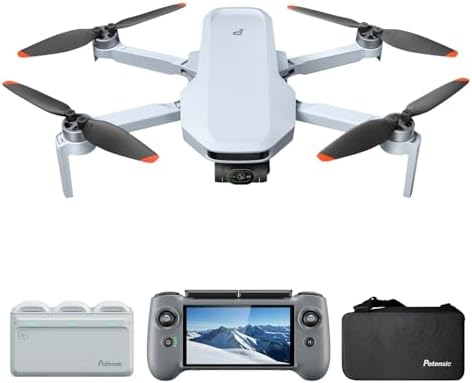
Can you still buy DJI drones in 2026? Yes, for now. You can buy a DJI drone in the US today, and if you already own one, you can keep flying it. Nothing has been switched off, grounded, or made illegal to own.
The catch is in the details. New DJI models can no longer get the US approval they need to be imported and sold the normal way, so stock is limited and comes through outside sellers instead of DJI’s own US store. And in the last few days, US regulators floated a plan that could restrict even the drones already on shelves. So the honest answer is: you can still buy one, but the window may be narrowing, and where and how you buy matters more than ever.
This guide walks through exactly what’s legal, what’s restricted, where to buy safely, and whether you should buy now or wait.
Are DJI Drones Illegal in the US?
No. There is no law that makes it illegal to own or fly a DJI drone in the US. If you have a Mini 3 Pro, Mini 4 Pro, Mini 5 Pro, or any other DJI model, you can fly it under the normal FAA rules, the same as before.
What people are reacting to is a restriction on selling and importing new models, not a ban on owning or flying. Those are two very different things, and most of the scary headlines blur them together. Let’s separate them clearly.
What the DJI Drone Ban 2026 Actually Is (FCC Covered List)
The so-called “DJI drone ban” is not a single law that names DJI and bans it. It happened through a back door, and understanding that back door explains everything else.
Here’s the chain of events:
- The 2025 defense bill (NDAA) required a US security agency to formally review DJI by December 23, 2025. If no agency finished the review by that date, DJI would automatically be added to the FCC’s “Covered List.”
- No agency completed the review. So the trigger fired.
- On December 22 to 23, 2025, the FCC acted, but instead of listing only DJI, it added essentially all foreign-made drones to the Covered List.
Being on the Covered List means a product can’t get FCC equipment authorization, which is the approval every radio device needs to be legally imported, marketed, and sold in the US. Without it, new foreign-made drones can’t enter the US market through normal channels.
The key thing most coverage gets wrong: the Covered List does not give the FCC power to disable, ground, or block drones people already own. If it’s already here and was legally sold, you can keep flying it. The restriction is on what comes next, not on what’s already in your bag.
What Changed in July 2026: The FCC’s Next Move

This is the part that’s new, and it’s why we date and re-check this page so carefully.
In late July 2026, the FCC signaled it may go further. The agency opened public comment on whether to prohibit the import, marketing, or sale of certain foreign-made drones that are already on the Covered List, not just block new approvals. In plain terms, that could eventually restrict sales of drone categories that are still on shelves today. Around the same time, the FCC also moved against “rebranded” drones, models it believes are re-shelled DJI products sold under other company names, and proposed fines against several of those firms.
Two things to hold onto here. First, this is a proposal open for comment, not a rule in effect, so nothing about your ability to buy or fly changed overnight. Second, the direction of travel is clearly toward more restriction, not less. That’s the single biggest reason a buyer on the fence might act sooner rather than later, while also being the reason to watch the news before you spend.
There was a piece of good news earlier in the year, too. In January 2026, the FCC granted a one-year exemption (through January 1, 2027) for US-approved “Blue UAS” drones and qualified domestic products, and set up a waiver process for others. That mostly helps American-made and government-vetted drones, not consumer DJI models.
Can You Still Fly the DJI Drone You Already Own?
Yes. Full stop. If you legally own a DJI drone, you can keep flying it under existing FAA rules. There is no remote kill switch, no forced grounding, and no expiration date on your aircraft.
Your responsibilities are the same as they’ve always been: register if required (see the license and weight section below), pass the free safety test for recreational flying, keep the drone in sight, stay under 400 feet, and avoid restricted airspace.
Why Isn’t the DJI Mini 5 Pro on the DJI Website?
This trips up a lot of buyers, and it’s a separate issue from the FCC Covered List. There are actually two problems hitting DJI at once.
The second problem is US Customs. Since late 2024, US Customs and Border Protection has been holding many DJI shipments under the Uyghur Forced Labor Prevention Act, a law that lets customs presume goods partly made in one region of China involve forced labor. DJI disputes this, says it manufactures in Shenzhen and Malaysia rather than that region, and points out it isn’t on the law’s entity list. But while shipments are held, DJI can’t reliably stock its own US store.
That’s why newer models like the Mini 5 Pro carry fine print saying they’re “not available officially in the US market on official websites,” and why DJI’s US store often shows models as sold out. The drones still reach US buyers, just through outside retailers who get limited supply, rather than from DJI directly.

Where Can You Actually Buy a DJI Drone in the US Right Now?
Through third-party and authorized retailers, mainly Amazon, Best Buy, B&H Photo, and Adorama. Stock appears and disappears as limited shipments clear, so a model that’s in stock today may be gone next week.
A few rules to buy safely in this messy market:
- Check the seller, not just the store. On Amazon especially, many DJI listings come from third-party or grey-market sellers, not Amazon or DJI directly. Some ship without a valid US warranty. Confirm the seller looks reputable before you buy.
- Watch for tariff and scarcity markups. Some listings price well above normal. If a price looks far higher than the usual figures for that model, it’s likely a markup riding the shortage, not a fair deal.
- Confirm what protection is included. DJI Care Refresh has become hard to get in the US for newer models, and some retailers now offer third-party plans instead. Check before you buy if crash cover matters to you.
Can You Buy a DJI Drone Abroad and Bring It to the US?
You can bring a personally owned drone into the US, but think it through first. You may run into the same customs scrutiny that’s holding commercial shipments, you won’t get US warranty or support, and you’ll still have to follow all FAA rules and registration once you’re home. For most people, buying from a reputable US seller is simpler, safer, and not much more expensive once you factor in the risk.
Do You Need a License to Fly a DJI Drone?
For hobby flying, no license is needed, but there are still rules.
- Recreational flying: No pilot’s license required. You do need to pass the free FAA TRUST safety test and follow the basic rules. If your drone weighs 250 grams or more, you also have to register it (a few dollars, done online).
- Commercial flying (anything you’re paid for, like real estate or wedding video): you need an FAA Part 107 license, regardless of the drone’s weight.
- The 250-gram line is why DJI’s Mini series is so popular. Most Mini drones on their standard battery sit just under 250 grams, which keeps recreational flying registration-free. Heavier “Plus” batteries can push them over the line.
None of these flying rules changed because of the Covered List. They’re the same FAA rules that applied before.
What About Firmware, Updates, and DJI Care Refresh?
Good news on updates: the FCC extended firmware and security update support for existing DJI drones to January 1, 2029. So your drone won’t lose software support any time soon.
Less good news on protection plans: DJI Care Refresh has become difficult to buy in the US for the newest models. Some retailers now sell third-party protection (for example, Allstate plans) as a substitute. If you want crash coverage, price out whatever’s actually offered on the model you’re buying before you commit, since the gimbal is the most common and costly repair.
Should You Buy a DJI Drone Now, or Wait?
Here’s our honest take, and it depends on which camp you’re in.

Lean toward buying now if: you’ve been wanting a specific DJI model, it’s in stock at a fair price from a reputable seller, and you’d be frustrated to miss it. The direction of the rules is toward more restriction, existing stock is legal and fully supported through 2029, and prices aren’t likely to fall much given the shortage. This isn’t a reason to panic-buy, but if you were going to buy anyway, waiting mostly adds risk.
Lean toward waiting if: you don’t have a specific need, you’re uneasy about the shifting rules, or you’d rather see how the latest FCC proposal plays out. Nothing forces your hand today.
Either way, buy for the drone that fits your flying, not out of fear. A fair deal on the right model is a good buy; an overpriced panic purchase is not.
If You’re Buying: Which DJI Mini Is Right for You?
If you’ve decided a DJI Mini is still the right call, here’s the quick version so you get the correct one:
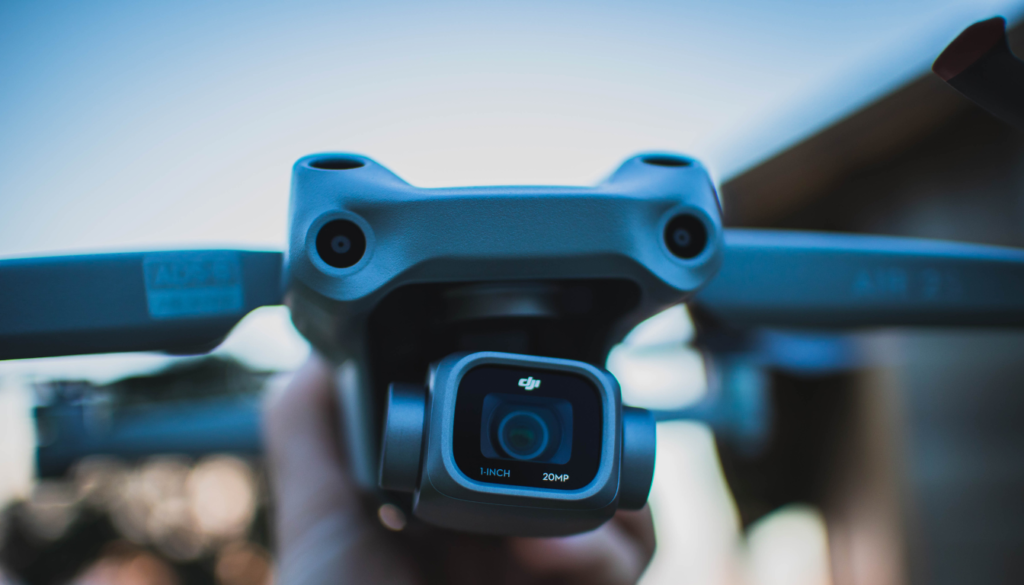
- Best image quality: the DJI Mini 5 Pro, with its 1-inch sensor and night sensing. If low light or detail matters, this is the one. See our DJI Mini 5 Pro Fly More Combo review for which bundle to pick.
- Best value right now: the DJI Mini 4 Pro, often discounted below the 5 Pro and still excellent. Our Mini 4 Pro vs Mini 5 Pro comparison shows exactly when to save the money.
- Cheapest capable option: a discounted or used DJI Mini 3 Pro. Our Mini 3 Pro vs Mini 4 Pro guide covers who it still suits.
Whichever you choose, follow the safe-buying rules above: reputable seller, fair price, confirmed warranty.
DJI Alternatives if You’d Rather Not Risk It
If the uncertainty bothers you, there are US-approved options, though most cost more and target professionals. For enterprise and public-safety work, look at drones on the Blue UAS or Green UAS cleared lists, such as the Skydio X10. For casual flying, some non-DJI consumer drones remain available, but honestly, none match DJI’s camera quality at the same price yet. For most hobbyists, a legally owned DJI drone is still the best flying camera for the money, which is the whole reason this situation frustrates so many pilots.
The Bottom Line
You can still buy DJI drones in the US in 2026, and you can keep flying the one you own. There’s no ban on ownership or flight, and existing drones are supported through 2029. What’s restricted is the import and sale of new foreign-made models, with a fresh July 2026 proposal that could tighten things further.
If you want a DJI drone, buy from a reputable US seller at a fair price, confirm the warranty, and don’t overpay a shortage markup. If you’d rather wait and watch the rules, nothing is forcing your hand. Just make the choice on the merits, not the headlines.
Can You Still Buy DJI Drones in 2026: FAQs
Can you still buy DJI drones in the US in 2026?
Yes. You can buy DJI drones from US retailers like Amazon, Best Buy, and B&H, though stock is limited and comes from third-party sellers rather than DJI’s own US store. Existing and already-approved models remain legal to buy and fly. A new FCC proposal in July 2026 could restrict sales further, so the situation is worth watching.
Are DJI drones illegal in the US now?
No. There is no law making it illegal to own or fly a DJI drone. What’s restricted is the import and sale of new foreign-made drone models, because they can’t get the FCC approval needed to be sold normally. Owning and flying the drones already here is fully legal under existing FAA rules.
Can I still fly my DJI drone that I already own?
Yes. There is no remote shutdown, grounding, or ban on flying drones you legally own. You fly under the same FAA rules as before: pass the free TRUST test for recreational use, register if the drone is 250 grams or more, keep it in sight, and avoid restricted airspace.
What is the DJI drone ban 2026?
It’s a restriction, not a true ban. The FCC added essentially all foreign-made drones, including DJI, to its Covered List in December 2025 after a required security review went uncompleted. That blocks new models from getting the approval needed for legal US import and sale. It does not make owning or flying existing drones illegal.
Why isn’t the DJI Mini 5 Pro on the DJI website?
Because US Customs has been holding many DJI shipments under a forced-labor import law, which DJI disputes. While shipments are held, DJI can’t reliably stock its own US store, so newer models like the Mini 5 Pro are labeled “not available on official US websites” and instead sell through outside retailers. This is separate from the FCC Covered List issue.
Is the DJI Mini 5 Pro available in the US?
Yes, through third-party retailers such as Amazon, Best Buy, and B&H, though not on DJI’s own US site and with stock that comes and goes. Buy from a reputable, authorized seller so you get a valid US warranty, and check the price against normal figures to avoid shortage markups.
Where can I buy a DJI drone in the US?
Mainly Amazon, Best Buy, B&H Photo, and Adorama. The most important step is checking the seller: many Amazon listings are third-party or grey-market and may lack a US warranty. Confirm the seller is reputable, watch for inflated prices, and verify what protection plan is offered before buying.
Can I buy a DJI drone in another country and bring it to the US?
You can bring a personally owned drone in, but it’s a grey area. You may face the same customs scrutiny affecting commercial shipments, you won’t have US warranty support, and you still must follow FAA rules and registration at home. For most buyers, a reputable US seller is the safer, simpler route.
Do I need a license to fly a DJI drone?
For recreational flying, no license is needed, but you must pass the free FAA TRUST test and follow the rules, plus register the drone if it weighs 250 grams or more. Flying for money requires an FAA Part 107 license regardless of weight. These rules were not changed by the Covered List.
Will DJI drones stop getting firmware updates?
Not soon. The FCC extended firmware and security update support for existing DJI drones to January 1, 2029. Your drone will keep receiving updates and full functionality well into the future, so support is not disappearing because of the ban.
Will my DJI drone be remotely disabled or grounded?
No. The FCC Covered List does not give any authority to disable, ground, or interfere with drones people already own. Your aircraft keeps working normally, and you remain free to fly it under existing FAA rules.
Is DJI Care Refresh still available in the US?
It has become hard to get for the newest models, and some retailers now offer third-party protection plans (such as Allstate) instead. Since the gimbal is the most common costly repair, price out whatever coverage is actually available on your chosen model before you buy.
What are the best non-DJI alternatives?
For professional and public-safety work, US-approved drones on the Blue UAS or Green UAS lists, like the Skydio X10, are the safest long-term options, though they cost more. For casual flyers, some non-DJI consumer drones exist, but none currently match DJI’s camera quality at the same price. For most hobbyists, a legally owned DJI drone is still the best value.
Should I buy a DJI drone now or wait?
If you want a specific model and find it in stock at a fair price from a reputable seller, buying now is reasonable, since existing drones are legal and supported through 2029 and the rules are tightening, not loosening. If you have no urgent need or want to see how the latest FCC proposal plays out, waiting is fine. Decide on the merits, not the headlines.
Will new DJI models like the Mini 6 Pro come to the US?
Under current rules, new foreign-made models can’t get the FCC approval needed for normal US import and sale, so a future model like a Mini 6 Pro would be blocked unless it received a special exemption. That could change if the review process or the rules change, but as things stand, brand-new DJI releases face a hard road into the US market.
About This Guide
This guide was produced by our gear editorial team using primary sources, including FCC public notices and DJI’s own statements, alongside independent reporting from established drone outlets. Regulations in this area are changing quickly, so we date this page clearly and re-check it monthly. We aim to explain the situation accurately and help you decide, not to push you toward a purchase.