Best Drone for Photography and Videography: The Short Answer
Honestly, which drone wins here depends more on which of those two words you actually care about, and most “best of” lists never bother making that split. If both matter and you’re not counting pennies, the DJI Mavic 4 Pro is the one to get, its 100MP Hasselblad sensor and full D-Log color cover photography and video without you having to compromise on either. Tighter budget changes the math: the DJI Air 3S gets you most of that same quality for about half the cost.
The two disciplines just want different things from a camera. A photographer cares about sensor size, RAW file quality, and how much dynamic range the sensor holds onto before a printed shot starts falling apart. A videographer is chasing something else entirely, codec depth, frame rate options, and whether the gimbal is smooth enough that footage cuts cleanly from one clip to the next. One drone rarely nails both at the same level; it’s usually great at one and merely good at the other. That’s why we’ve split the picks below by what you actually shoot, and by budget, since the honest answer shifts a lot depending on how much you’re willing to spend.
Quick Picks: Best Drones for Photography and Videography
- Best overall for serious photography and video: DJI Mavic 4 Pro, 100MP Hasselblad, D-Log 10-bit, 6K/60fps: check price on Amazon
- Best value for both, most people’s real pick: DJI Air 3S, dual 1-inch cameras, ~$1,099: search on Amazon
- Best portable option that still shoots RAW: DJI Mini 5 Pro, 1-inch sensor, sub-250g, ~$759: check price on Amazon
- Best budget option with a real camera: Potensic Atom 2, 48MP stills, 4K/30fps HDR, ~$250–$430: check price on Amazon
Prices of Amazon listings shift often, verify the live price.
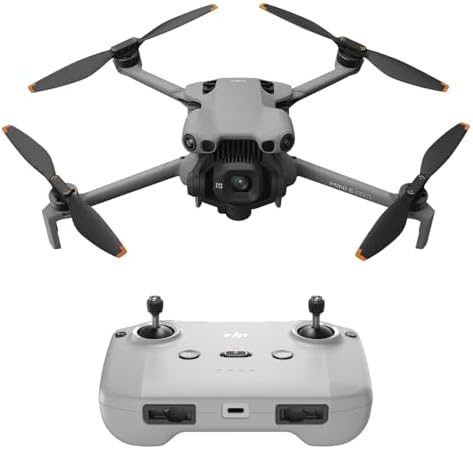


DJI Mavic 4 Pro: Best Overall for Serious Work
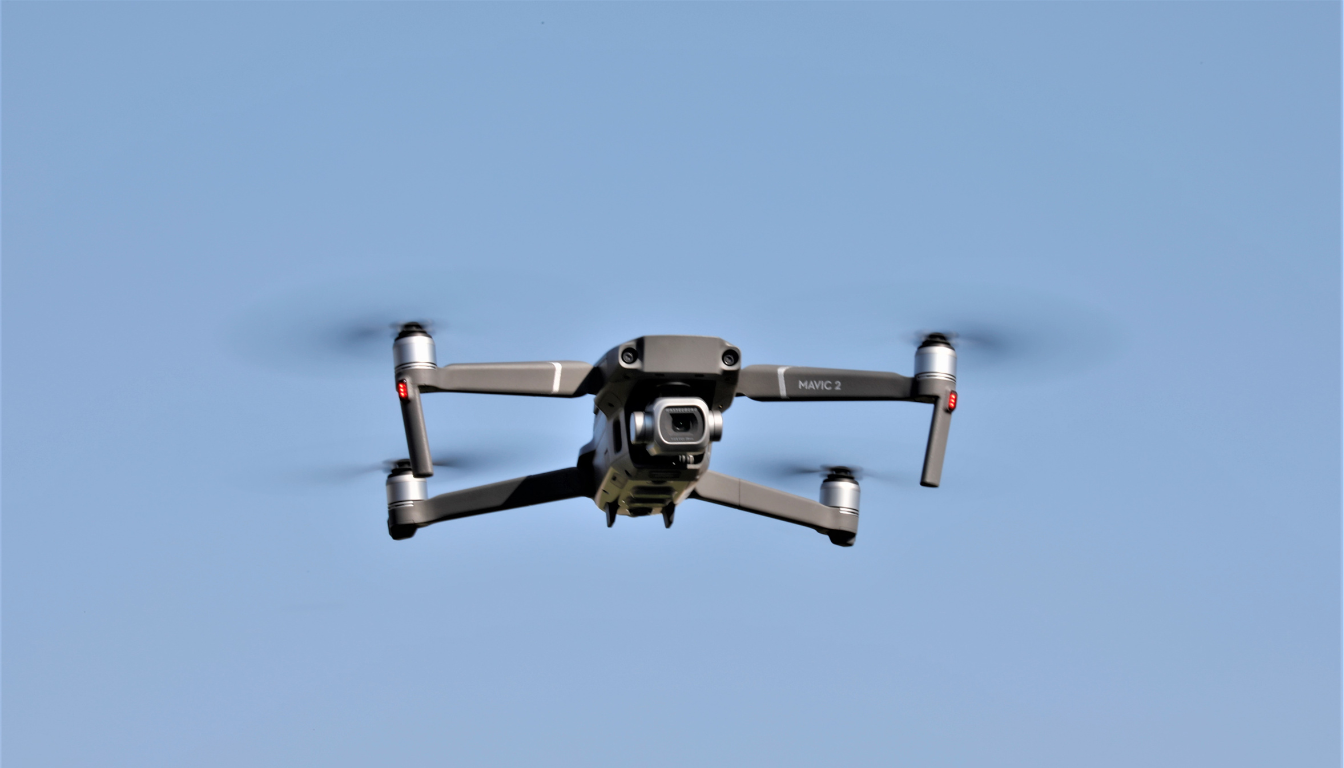
If budget isn’t the limit, this is the drone working photographers are actually buying in 2026. The headline is the camera system. A 100MP Hasselblad main sensor with a variable aperture, letting you control depth of field and exposure more precisely than the fixed apertures most drone cameras are stuck with. A 48MP telephoto. A 50MP tele. Three real cameras instead of one sensor doing everything digitally. For photography, that main sensor is what matters most. Larger sensors gather more light and hold more detail before shadows or highlights start falling apart, which is exactly what gives a photographer more room to push exposure and dynamic range in post.
For video, it shoots 6K at 60fps in full D-Log 10-bit color. That’s the flattest, most gradeable color profile DJI offers. It also has RAW frame stacking and dual native ISO fusion, so low-light footage stays clean. The new Infinity Gimbal rotates a full 360 degrees instead of hanging fixed below the body. That’s what makes true native vertical shooting possible, not a cropped workaround. Flight time runs up to 51 minutes. And 0.1-lux night obstacle sensing means you can keep flying well after sunset.
One working aerial photographer who shoots professionally in Iceland and Greenland put it plainly. After months of comparing it against his Mavic 3 Pro, the Mavic 4 Pro replaced it for paid work. Better dynamic range. Better color. Better wind handling. That’s not a spec sheet claim, that’s someone selling the files.
The price reflects all of this. The base configuration runs around $2,199. Fly More and Creator combos land between $2,849 and $3,400 depending on the bundle. It’s available through Amazon with Prime shipping through authorized sellers. Worth confirming the seller before you buy, given how much DJI stock has shifted this year.
Best for: working photographers and videographers who need the image quality to hold up under real scrutiny, and have the budget for it.
DJI Air 3S: Best Value for Most People
This is the drone most serious hobbyists and working creators on a real budget land on, and for good reason. It was DJI’s first drone with two proper cameras: a 1-inch main sensor plus a 3x telephoto. That gives you real framing options without switching aircraft. At $1,099, it costs roughly half what a Mavic 3 Pro runs. It still shoots 4K/60fps HDR video with full obstacle sensing and about 45 minutes of flight time.
It won’t match the Mavic 4 Pro’s dynamic range or D-Log color depth. But for most buyers, that gap matters less than the price gap does. One professional reviewer who shoots in harsh, flat light conditions called it the best drone for photos for most photographers in 2026. He pointed to how well the files hold together straight out of the camera.
Best for: serious enthusiasts and working creators who want near-flagship image quality without flagship pricing.
DJI Mini 5 Pro: Best Portable Pick That Still Shoots RAW
We’ve covered this drone in depth in our Mini 4 Pro vs Mini 5 Pro comparison. Short version: it’s the first Mini-series drone with a real 1-inch sensor. It still shoots RAW files sharp enough to print, say reviewers who’ve tested it against pricier options. It packs LiDAR-assisted night obstacle sensing, a 225-degree rotating gimbal, and a sub-250-gram body that skips FAA registration on the standard battery. At $759, it’s the pick for anyone who needs to travel light without giving up real image quality.
Best for: travelers and content creators who need to pack small but still want a sensor that holds up.
Check the DJI Mini 5 Pro price on Amazon
- Ultra-Light, Palm-Sized Foldable Design – Compact and foldable, this palm-sized drone slips easily into a pocket and off…
- 1-Inch CMOS With 4K/60fps HDR Video – 1-inch CMOS sensor captures 4K/60fps HDR video with sharp detail and vibrant color…
- True Vertical Filming & 225° Flexible Gimbal Rotation – Capture creative footage with a gimbal that offers true vertical…
Potensic Atom 2: Best Budget Pick With a Real Camera
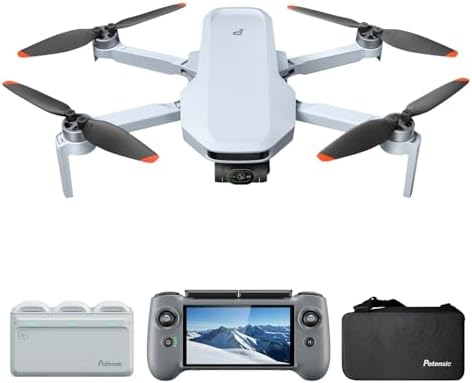
If the drones above are more than you want to spend, this is where to land instead of a toy-grade option. A real 1/2-inch Sony sensor shoots 48MP stills and 4K/30fps HDR video. It runs through a real 3-axis mechanical gimbal, not software stabilization that crops your frame and adds artifacts. It stays under 249 grams. Independent reviewers who’ve flown it alongside DJI’s Mini series rate the image quality surprisingly close. Base kit runs around $250 to $300; the Fly More Combo with three batteries is closer to $430.
Best for: buyers who want real photo and video quality without spending four figures, or who’d rather avoid DJI’s ecosystem entirely.
Check the Potensic Atom 2 price on Amazon
Drone Camera Sensor and Video Comparison Chart
Check live listings, since deals and bundles shift often.
| Drone | Approx. price | Main sensor | Photo strength | Video strength | Gimbal |
|---|---|---|---|---|---|
| DJI Mavic 4 Pro | $2,199–$3,400 | 4/3-inch, 100MP | RAW, D-Log, best dynamic range | 6K/60fps, 10-bit D-Log | 360° Infinity Gimbal |
| DJI Air 3S | ~$1,099 | 1-inch, dual camera | Strong RAW, 3x tele framing | 4K/60fps HDR | 3-axis mechanical |
| DJI Mini 5 Pro | ~$759 | 1-inch, 50MP | Real RAW, sub-250g | 4K, 10-bit D-Log M | 225° rotating |
| Potensic Atom 2 | ~$250–$430 | 1/2-inch, 48MP | Solid JPEG/limited RAW | 4K/30fps HDR | 3-axis mechanical |
Is a 4K Drone Enough, or Do You Need 8K?
Worth clearing up, since this comes up constantly, and the answer surprises people. Almost no mainstream consumer drone shoots true 8K video. The Mavic 4 Pro, DJI’s current flagship, tops out at 6K. What you’ll see marketed as “8K” on budget drones almost always means something else. Usually photo resolution, an 8K-equivalent still image, roughly 33 megapixels. Or upscaled video. Not a real 8K video sensor. For real video work, 4K at 30 or 60fps covers most use cases. Social content, real estate, travel, even most commercial work. Chase dynamic range and color depth before you chase a resolution number that mostly exists in marketing copy.
Do I Need a License to Fly Any of These?
For recreational flying, no. You’ll need to pass the free FAA TRUST test and register the aircraft if it weighs 250 grams or more. That covers every drone here except the Mini 5 Pro and Mini 4 Pro on their standard batteries. Flying for money, real estate listings, wedding photography, any paid client work, requires a Part 107 license. That’s true regardless of the drone’s weight. If you’re building toward professional work, get that license before you take your first paid booking, not after.
Why DJI Dominates Photography and Videography Drones
Fair question in 2026, and worth a straight answer. DJI was added to the FCC’s Covered List in December 2025. That restricts new import approvals and affects government procurement. It doesn’t affect whether existing models can be legally bought and flown. DJI drones remain available through Amazon and authorized retailers. The image quality lead these drones hold is real, and independently verified, not just brand loyalty. That’s especially true of the Mavic 4 Pro’s sensor size and the Mini series’ obstacle sensing. We cover the full situation in our guide on whether you can still buy DJI drones in 2026, including how to buy safely given the current customs and availability wrinkles. If you’d rather avoid the DJI ecosystem regardless, the Potensic Atom 2 is the strongest current alternative.
How Much Does a Decent Camera Drone Actually Cost?
The real math looks like this. Budget $250 to $450 for a capable entry point (Potensic Atom 2). Budget $750 to $1,100 for the sweet spot most creators land on (Mini 5 Pro or Air 3S). Budget $2,200-plus for flagship image quality on paid, scrutinized work (Mavic 4 Pro). Don’t forget the accessories, either. Extra batteries, ND filters for daylight shooting, and a case add real cost on top. Often $200 to $400 more, depending on the kit.
Warranty and DJI Care Refresh: What Protects Your Investment
DJI’s standard warranty runs 1 year across the Mavic, Air, and Mini lines. DJI Care Refresh is an optional accidental-damage plan. It’s available for all four drones here, though some newer Mini 5 Pro configurations in the US have had spotty availability. A Mavic 4 Pro crash without coverage costs real money, so price in Care Refresh at checkout. Owner reports on DJI’s replacement turnaround are generally fast, often under two weeks for a verified claim.
The Bottom Line
If both matter and budget allows, the DJI Mavic 4 Pro is the honest top pick. Working professionals shooting paid content confirm that, not just spec sheets. For most people, the DJI Air 3S delivers most of that image quality for half the price. If you need to travel light without sacrificing real sensor quality, the DJI Mini 5 Pro is the one to pack. If your budget caps well under $1,000, the Potensic Atom 2 is the strongest option that still delivers a real camera, not a compromise.
Match the drone to what you’re shooting and who’s actually going to see the result. A drone that impresses a client needs different specs than one that just needs to look good on your phone.
| Ready to decide? | Link |
|---|---|
| Best overall, serious work | Check the DJI Mavic 4 Pro on Amazon |
| Best value for most people | Check the DJI Air 3S on Amazon |
| Best portable pick | DJI Mini 5 Pro on Amazon |
| Best budget with a real camera | Potensic Atom 2 on Amazon |
Behind This Guide
Current manufacturer specs and live pricing formed the backbone of every number here. We leaned heavily on reviewers who’ve flown and edited footage from these aircraft, not just repeated spec sheets. That includes a working aerial photographer’s direct comparison of the Mavic 4 Pro against his own paid-work Mavic 3 Pro files. We split picks by photography versus videography strengths on purpose. Most competing guides collapse the two into one ranking that serves neither question well. We haven’t flown every drone here ourselves. Where a quality claim isn’t ours, it’s sourced.
FAQs
What is the best drone for photography and videography overall?
If budget allows, the DJI Mavic 4 Pro, thanks to its 100MP Hasselblad sensor, full D-Log color, and 6K video. For most people, the DJI Air 3S delivers most of that quality at roughly half the price. The honest answer comes down to what you’re actually shooting: paid, scrutinized client work, or content for social media and personal projects.
Which is better, a 4K or an 8K drone?
Almost no consumer drone actually shoots true 8K video, DJI’s current flagship tops out at 6K. Marketing that says “8K” on budget drones usually refers to photo resolution or upscaled video, not a real 8K sensor. For actual video work, 4K at 30 to 60fps covers the vast majority of use cases; prioritize dynamic range and color depth over chasing a resolution number.
Which drone is best specifically for videography?
The DJI Mavic 4 Pro leads on pure video capability, with 6K/60fps footage in full D-Log 10-bit color and a 360-degree gimbal built for cinematic movement. For a more affordable videography-focused pick, the DJI Air 3S shoots strong 4K/60fps HDR and its dual-camera setup adds real framing flexibility for B-roll and establishing shots.
What is the best drone and camera combo for a beginner?
The DJI Mini 4 Pro or Mini 5 Pro are both excellent starting points, since their omnidirectional obstacle sensing forgives the mistakes new pilots make most. If budget is the priority, the Potensic Atom 2 delivers a real camera and gimbal for meaningfully less, without DJI’s more complex ecosystem to learn.
Do I need a license to fly a DJI drone for photography?
For personal, non-paid flying, no, just the free FAA TRUST test and registration if the drone weighs 250 grams or more. If you’re being paid for the photography or video, real estate, weddings, commercial work, you need an FAA Part 107 license regardless of which drone you fly or how much it weighs.
Why did the US restrict DJI drones, and can I still buy one?
The FCC added DJI to its Covered List in December 2025, which limits new import approvals and affects government procurement, not whether existing models can be bought and flown. DJI drones remain available through Amazon and authorized retailers. Our dedicated guide covers the full situation and how to buy safely given the current stock and customs wrinkles.
What are the top drone brands for photography right now?
DJI dominates the photography and videography space by a wide margin, driven by sensor quality, color science, and its RC controller ecosystem. Potensic has become the most credible non-DJI alternative in 2026, with independent reviewers rating its Atom 2 close to DJI’s Mini-series image quality. Autel leads in enterprise and thermal-specific categories rather than general consumer photography.
How much does a decent camera drone actually cost?
Budget $250 to $450 for a genuinely capable entry point, $750 to $1,100 for the sweet spot most serious buyers land on, and $2,200 or more for flagship image quality suited to paid, scrutinized work. Factor in extra batteries, filters, and a case on top of any of these; that typically adds another $200 to $400.
What is the difference between RAW and JPEG on a drone camera?
RAW files capture all the sensor’s original data with no in-camera processing, giving you far more room to adjust exposure, color, and detail in editing before quality breaks down. JPEG applies in-camera compression and processing, which looks fine straight out of the drone but has much less flexibility if you need to recover shadow or highlight detail later. If you edit your photos seriously, prioritize a drone with real RAW support, like the Mavic 4 Pro, Air 3S, or Mini 5 Pro.
What does D-Log actually do, and do I need it?
D-Log is a flat, low-contrast color profile that preserves more dynamic range in the raw footage, at the cost of looking washed out straight off the drone until you color grade it in post-production. It’s paired with a 10-bit codec on the Mavic 4 Pro and Air 3S, which holds far more color information per frame than the 8-bit footage most budget drones record, giving you real room to push color grading without banding or artifacts. It matters if you plan to grade footage seriously for professional or cinematic results. If you just want footage that looks good straight off the drone with minimal editing, a standard color profile is simpler and often the better choice.
Is the DJI Air 3S good enough for professional client work?
For most client work, yes. Real estate, small commercial shoots, and travel content all look excellent shot on the Air 3S’s dual 1-inch cameras. For high-end cinema production, demanding low-light work, or clients who specifically expect flagship-level detail, the Mavic 4 Pro’s larger sensor and full D-Log support pull ahead noticeably.
Can a budget drone like the Potensic Atom 2 be used for real work?
For casual content, social media, and personal projects, absolutely, its 48MP stills and 4K HDR video are genuinely capable. For paid professional work where clients expect DJI-level polish and post-production flexibility, the gap in dynamic range and RAW quality becomes more noticeable, and stepping up to the Air 3S or Mini 5 Pro is worth the extra cost.
Which drone has the best low-light performance?
The DJI Mavic 4 Pro leads clearly, thanks to its larger 4/3-inch sensor and dual native ISO fusion, plus 0.1-lux night obstacle sensing that lets you keep flying safely after sunset. Among the more affordable options, the Mini 5 Pro’s LiDAR night sensing and 1-inch sensor give it a real edge over the Air 3S and Potensic Atom 2 in genuinely dark conditions.
What’s the best drone for real estate photography specifically?
The DJI Air 3S is the sweet spot for most real estate work, its dual 1-inch cameras handle both wide establishing shots and tighter framing without switching gear, and the price makes sense for agents shooting regularly. For high-end listings where image quality needs to stand out, the Mavic 4 Pro’s larger sensor and RAW flexibility justify the extra cost. Whichever you choose, get a Part 107 license first, since real estate photography is commercial work.
Should beginners start with an expensive drone or a cheaper one?
Start cheaper than you think you need to. A Potensic Atom 2 or DJI Mini 4K teaches the actual skills, framing, battery management, basic editing, without the anxiety of crashing a $2,000 aircraft while you’re still learning. Most people upgrade within a year once they know what they actually shoot most, and by then they can buy the right flagship drone instead of guessing upfront.