Best Beginner Drone With Camera and GPS
The best beginner drone with camera and GPS is the DJI Mini 4K. It costs around $225 to $289 depending on the battery bundle, records real 4K video on a 3-axis mechanical gimbal, weighs under 249 grams so recreational flying skips FAA registration, and holds position with genuine GPS that flies itself home if you lose signal or panic.
Worth knowing before you shop further: a lot of “best beginner drone” articles recommend the DJI Neo as a top pick, and it’s a fun, easy first drone. But the Neo doesn’t have GPS. It uses vision positioning instead. That works fine at close range but won’t fly itself home if it drifts out of sight. If GPS matters to you, and for most new pilots it should, the Neo isn’t the drone those articles are describing when they say “GPS.” We’ll explain why that gap is bigger than it sounds, and which drones deliver both a real camera and real GPS for a first-time pilot.
Quick Picks
- Best overall: DJI Mini 4K, ~$225–$289, GPS Auto Return, 3-axis gimbal, true 4K: check price on Amazon
- Best camera and longest flight time: DJI Mini 3, ~$339–$419, 38-minute flight time, vertical shooting: check price on Amazon
- Best non-DJI value: Potensic Atom 2, ~$299, 1/2-inch Sony sensor, 3-axis gimbal: check price on Amazon
- Best budget GPS pick: Holy Stone HS720E, ~$180–$230, brushless motors: check price on Amazon
DJI pricing especially swings a lot on sale, so click through for the live number.


Why GPS Matters More Than Any Camera Spec for a First Drone
Every reviewer who’s taught someone to fly says roughly the same thing. The hardest part of owning a first camera drone isn’t capturing good footage. It’s not crashing it or losing it. That’s what GPS solves, and it’s why this should be your first filter, ahead of resolution, ahead of price.
A GPS-equipped drone does two things a camera-only drone can’t. It holds a fixed position when you take your hands off the sticks, which matters the first time a gust of wind hits and you panic. And it has Return-to-Home. If you lose the signal, lose sight of the drone, or freeze up, it flies itself back to where it took off. Without GPS, a drone drifts with every breeze and doesn’t come back if something goes wrong. That’s the difference between a drone you keep for years and one you lose in a tree during week one.
This is also where a lot of “beginner drone” recommendations get sloppy. The DJI Neo shows up on nearly every list of easy first drones, and it deserves credit for being simple to fly, palm launch, no controller, built-in propeller guards. But it has no GPS. It relies on downward vision sensors to hold position. That works well close to the ground in calm air and gets unreliable the moment you fly higher, farther, or into wind. If an article recommends the Neo specifically for its GPS, that’s just inaccurate. It’s a fine drone for what it is. It isn’t the GPS drone this search is asking about.
DJI Mini 4K: Best Overall
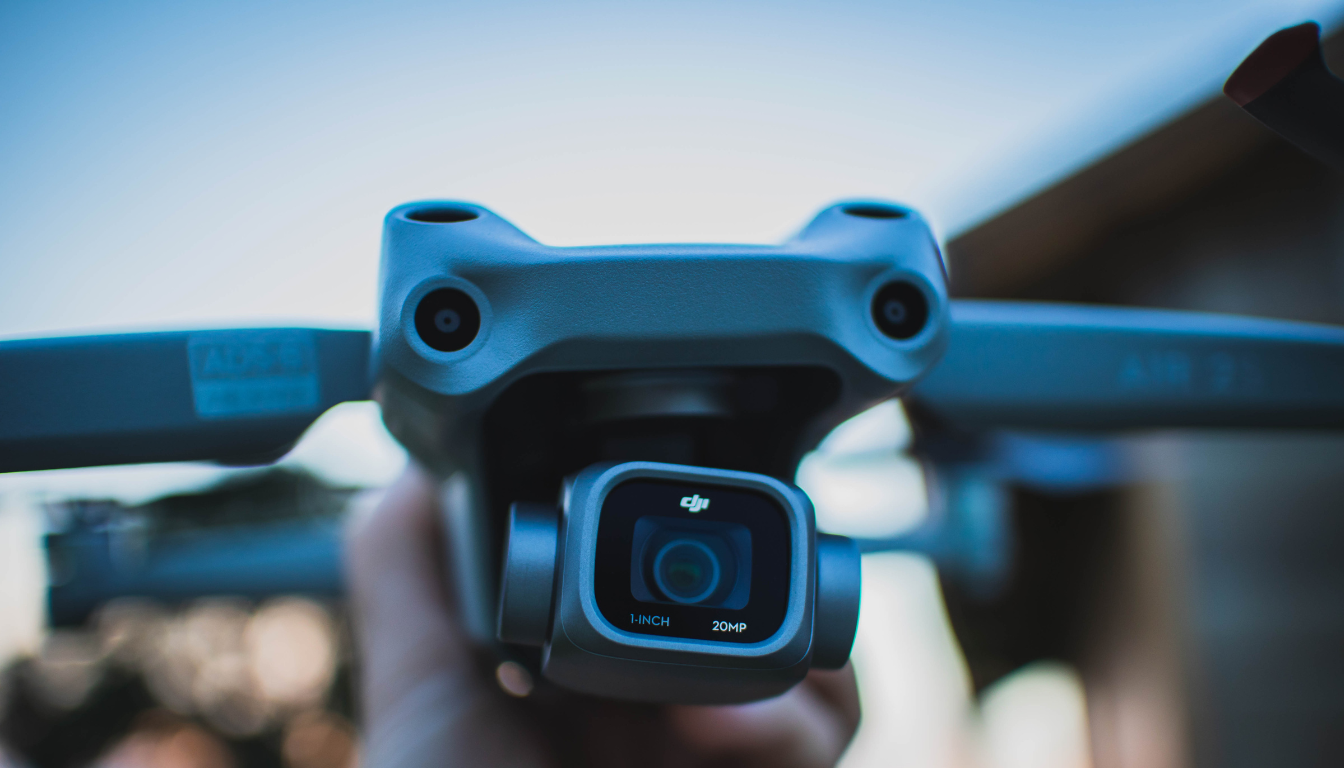
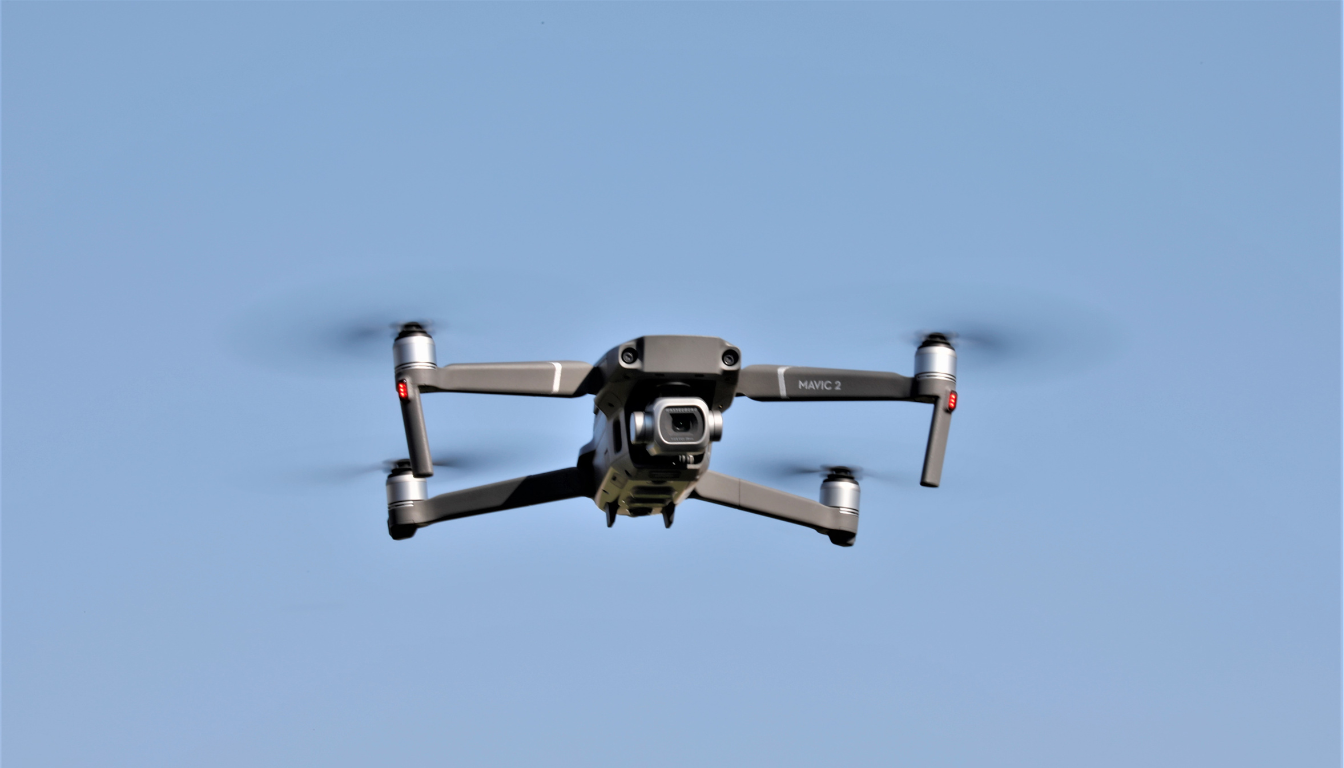
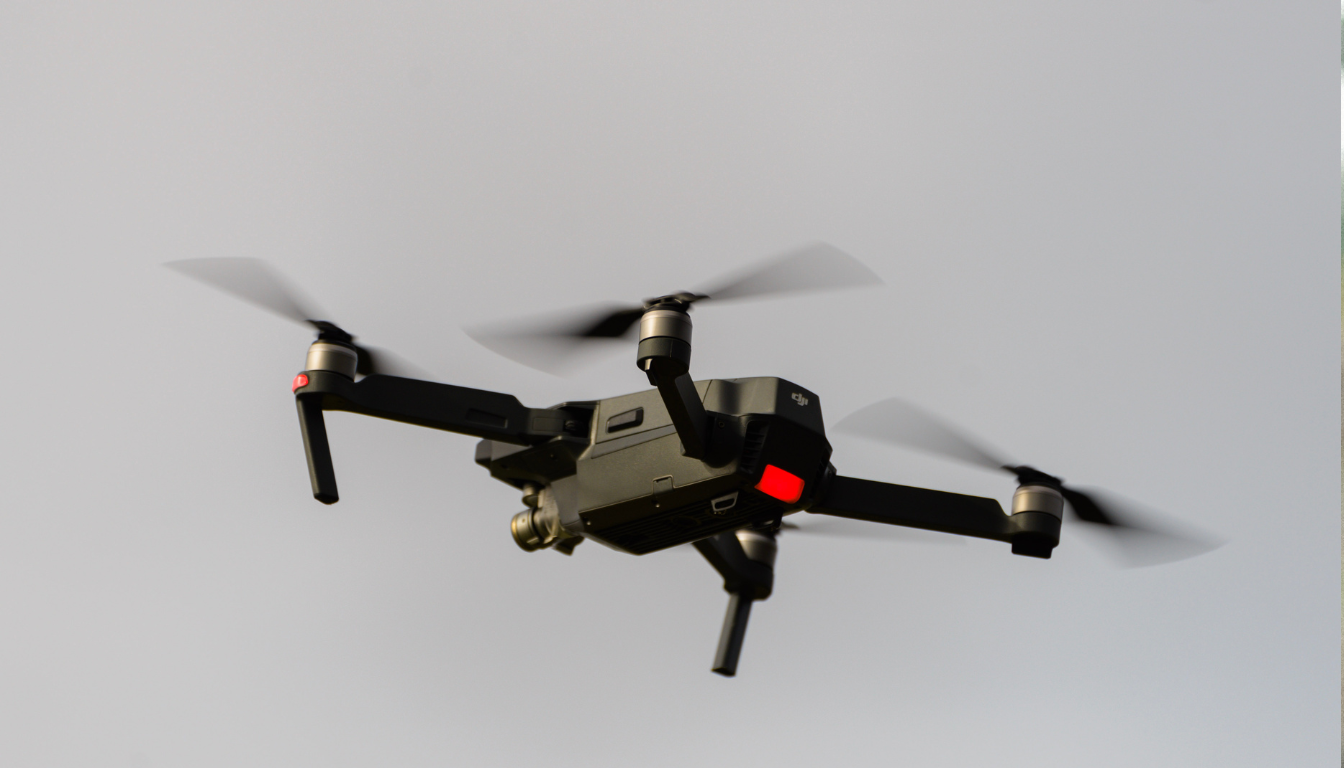
This is the drone to buy if you’re not sure and don’t want to overthink it. The Mini 4K genuinely earns the top spot most independent reviewers give it: real 4K video through a 3-axis mechanical gimbal (not the electronic stabilization cheaper drones rely on), GPS with Auto Return, and a sub-249-gram body that skips FAA registration for recreational flying.
Be accurate about flight time here, since the marketing gets a little slippery. DJI rates it at 31 minutes per battery, and independent testing found it delivers closer to 25 minutes in real conditions with any wind. You’ll see “62 minutes” mentioned in some deal coverage. That’s the two-battery combo’s combined total, not a single charge. The two-battery bundle, usually $255 to $289, is the sweet spot for most buyers, since one battery alone gets you barely 25 minutes of flying.
One real limitation worth flagging: the Mini 4K has no obstacle sensing at all, forward, backward, or to the sides. GPS keeps it from drifting away, but it won’t stop itself from flying into a tree or a wall. Fly with extra care around obstacles your first few outings.
Best for: first-time pilots who want the safest, most dependable starting point without overthinking the decision.
Check the DJI Mini 4K price on Amazon
DJI Mini 3: Best Camera and Longest Flight Time
If you want a sharper camera and more time in the air than the Mini 4K offers, this is the upgrade, and it’s still built for a first-time pilot. The Mini 3 uses a larger 1/1.3-inch sensor with an f/1.7 aperture, better in low light and detail than the Mini 4K’s smaller sensor. It records 4K HDR. It also flies longer, 38 minutes rated on the standard battery, the best single-charge time here. Its camera rotates for true vertical shooting, useful for social media.
GPS Auto Return works the same reliable way it does across the Mini series. The step up in price buys you the better camera and the longer flight time, not more safety features; like the Mini 4K, it has no obstacle sensing. Pricing runs wider than the Mini 4K, typically $339 to $419 for a kit with the DJI RC screen controller, occasionally dropping closer to $300 during sales.
Best for: beginners who want the best camera quality and longest flight time and don’t mind paying more for it.
Check the DJI Mini 3 price on Amazon
Potensic Atom 2: Best Non-DJI Value
If you’d rather not buy into DJI’s ecosystem, maybe over the ongoing US import situation, maybe just to compare, the Atom 2 is the strongest alternative for a first-time GPS camera drone. It uses a real 1/2-inch Sony sensor, a real step up from the smaller sensors most budget competitors use. That’s paired with a real 3-axis mechanical gimbal rather than software stabilization. It shoots 4K/30fps HDR video and 12MP photos, and independent reviewers rate its image quality close to DJI’s Mini-series output.
The trade-offs are real but not dealbreakers. The companion app is less polished than DJI Fly. Transmission range is shorter and less reliable in cluttered areas. GPS and Auto Return both work as expected. At around $299, it lands right alongside the Mini 4K in price, so the decision comes down to whether you want DJI’s ecosystem or an independent alternative.
Best for: buyers who want DJI-adjacent image quality without DJI’s brand, or who specifically want to avoid the ongoing DJI import uncertainty.
Check the Potensic Atom 2 price on Amazon
Holy Stone HS720E: Best Budget GPS Pick
If you want to spend meaningfully less than $300 and still get real GPS, brushless motors, and a folding sub-250-gram body, this is the honest floor. It delivers reliable Return-to-Home and holds position well for its price. Typical range: $180 to $230.
Be clear-eyed about the camera before you buy. It’s marketed as 4K, but the footage is upscaled from a lower native resolution, not captured natively. Treat it as a solid 1080p-to-2.7K shooter, not true 4K. For learning to fly safely and getting usable social-media footage, it does the job. For image quality that holds up on a big screen, it’s the weakest camera of the four picks here.
Best for: budget-conscious buyers who want real GPS safety features and are willing to accept a softer camera to get there.
Check the Holy Stone HS720E price on Amazon
Comparison Chart
Verify live pricing before buying, since bundles and sales shift often.
| Drone | Approx. price | Camera | Gimbal | GPS | Flight time (rated) | Weight |
|---|---|---|---|---|---|---|
| DJI Mini 4K | $225–$289 | True 4K, 12MP | 3-axis mechanical | Yes | 31 min | Under 249g |
| DJI Mini 3 | $339–$419 | 4K HDR, 48MP, larger sensor | 3-axis mechanical | Yes | 38 min | Under 249g |
| Potensic Atom 2 | ~$299 | 4K, 1/2″ Sony sensor | 3-axis mechanical | Yes | ~32 min | Under 249g |
| Holy Stone HS720E | $180–$230 | Interpolated 4K | Basic gimbal | Yes | ~26 min | Under 249g |
| DJI Neo (for context) | $149–$199 | True 4K | 1-axis + EIS | No | ~17–18 min | 135g |
The DJI Neo Trap: Popular, Easy, Not GPS
Worth its own section, since this is where so many beginner-drone searches go wrong. The Neo is a great first drone for a specific kind of buyer, someone who wants the lowest barrier to entry: palm launch, no controller, automatic subject tracking, and no need to fly far from where they’re standing. Its camera is the real deal, native 4K rather than the upscaled 4K some budget drones fake.
But it navigates using downward vision sensors, not satellite GPS. That works close to the ground in good light. It falls apart the moment you gain altitude, fly over water or a featureless surface, or lose the drone from view. There’s no real Return-to-Home in the GPS sense. If you searched for GPS because you’re worried about losing your first drone, the Neo doesn’t solve that problem the way it’s often implied to. Buy it for the easiest casual flying experience and accept the range limits. Skip it if GPS safety is why you’re shopping.
Do You Need FAA Registration for These?
For recreational flying, no, as long as the drone weighs under 250 grams, which covers every drone in this guide. You still need to pass the free FAA TRUST safety test, keep the drone within visual line of sight, stay below 400 feet, and avoid restricted airspace near airports. Remote ID compliance applies more broadly to drones flown outdoors as of 2024, with expanded enforcement through 2026, so check current requirements at faa.gov before your first flight. Flying for any paid work requires registration and a Part 107 license regardless of weight.
Beginner Flight Modes Actually Worth Having
Beyond GPS itself, a few specific features make the real difference for a first-time pilot, and it’s worth knowing what to look for beyond the spec sheet.
Altitude hold keeps the drone at a set height automatically, so you’re not fighting throttle constantly while you learn the other controls. Headless mode makes the drone move relative to you rather than its own orientation, which removes one of the most confusing parts of early flying, figuring out which way is “forward” when the drone is facing you. One-key takeoff and landing removes the trickiest manual maneuvers entirely. All four drones in this guide include GPS-assisted hover and Auto Return as standard; the DJI models in particular layer in QuickShots, automated cinematic flight patterns that produce good-looking footage without any piloting skill at all.
How We Researched This
We didn’t fly all four of these drones side by side ourselves, and we’re not pretending we did. This came from manufacturer specs, current Amazon pricing, and independent hands-on reviews from outlets that fly these drones and measure real flight times against advertised ones. We specifically checked the flight-time claims against independent testing rather than repeating manufacturer marketing, since that gap is exactly where budget drone claims tend to mislead. Where sourcing runs thin, particularly on long-term GPS reliability across different brands, we say so rather than guessing.
The Bottom Line
For most first-time pilots, the DJI Mini 4K is the honest answer to “best beginner drone with camera and GPS,” real GPS, a true 4K camera on a mechanical gimbal, and a price that doesn’t demand a huge commitment. Step up to the DJI Mini 3 if camera quality and flight time matter more to you than saving $100. The Potensic Atom 2 is the strongest non-DJI alternative at a similar price. And the Holy Stone HS720E gets you genuine GPS safety for meaningfully less money, with a softer camera as the trade.
Whatever you choose, don’t let a popular name talk you into a drone that skips the one feature you searched for. GPS is the feature that keeps a first drone from becoming a $200 lesson in loss.
| Ready to decide? | Link |
|---|---|
| Best overall | DJI Mini 4K on Amazon |
| Best camera and flight time | DJI Mini 3 on Amazon |
| Best non-DJI value | Potensic Atom 2 on Amazon |
| Best budget GPS | Holy Stone HS720E on Amazon |
FAQs
What is the best beginner drone with camera and GPS?
The DJI Mini 4K, at around $225 to $289 depending on the battery bundle. It combines real GPS with Auto Return, a true 4K camera on a 3-axis mechanical gimbal, and a sub-249-gram body that skips FAA registration. For a sharper camera and longer flight time, the DJI Mini 3 is the upgrade pick.
Does the DJI Neo have GPS?
No. The Neo uses downward vision sensors for positioning rather than satellite GPS, so it holds position well close to the ground in good light but doesn’t have genuine Return-to-Home. It’s a great easy first drone for casual, close-range flying, but it isn’t the GPS drone many “beginner drone” lists imply it is.
Why does GPS matter for a first drone?
GPS does two things a camera-only drone can’t: it holds a fixed position when you release the controls, and it flies itself home if you lose signal or panic. Without GPS, a drone drifts in wind and won’t return on its own if something goes wrong, which is the most common way new pilots lose their first drone.
What’s the difference between the DJI Mini 4K and DJI Mini 3?
Both have GPS, a 3-axis mechanical gimbal, and true 4K video. The Mini 3 uses a larger 1/1.3-inch sensor for better low-light detail, flies 38 minutes per charge versus the Mini 4K’s 31, and its camera rotates for vertical shooting. The Mini 3 typically costs $100 to $150 more.
How long does the DJI Mini 4K actually fly?
DJI rates it at 31 minutes per battery, and independent testing found it delivers closer to 25 minutes in real conditions with any wind. Some deal coverage cites “62 minutes,” which is the combined total from the two-battery combo, not a single charge. Budget for roughly 25 minutes of real flying per battery.
Is the Potensic Atom 2 as good as a DJI drone?
Close, but not identical. It uses a genuine 1/2-inch Sony sensor and a real 3-axis mechanical gimbal, and independent reviewers rate its image quality near DJI’s Mini series. It falls short on app polish and transmission reliability in cluttered areas. At a similar price to the Mini 4K, it’s the strongest choice for buyers who specifically want to avoid the DJI ecosystem.
Do I need FAA registration for a beginner drone?
Not for recreational flying if the drone weighs under 250 grams, which covers every drone in this guide. You still need to pass the free FAA TRUST test and follow standard rules on line of sight and altitude. Remote ID requirements have expanded through 2026, so verify current rules at faa.gov, and any paid work requires registration plus a Part 107 license.
What is Return-to-Home and how does it work?
Return-to-Home is a GPS-powered safety feature that automatically flies the drone back to its takeoff point if you lose signal, the battery gets critically low, or you trigger it manually. It requires a genuine GPS lock, which is why drones without real GPS, like the DJI Neo, can’t offer true Return-to-Home the way GPS drones do.
Which drone is easiest for a total beginner to learn on?
The DJI Mini 4K and Mini 3 are both very forgiving thanks to GPS-assisted hover, which holds position automatically while you get comfortable with the controls. If ease of use matters more than GPS to you specifically, the DJI Neo’s palm launch and controller-free operation are genuinely the simplest starting point, just without the GPS safety net.
Is the Holy Stone HS720E a good first drone?
Yes, for a tighter budget. It delivers real GPS and Auto Return, brushless motors, and a folding sub-250-gram body for meaningfully less than the DJI options. The trade-off is the camera, which is marketed as 4K but is upscaled from a lower resolution, so footage is noticeably softer than the true-4K picks on this list.
What beginner flight modes actually matter?
Altitude hold keeps the drone at a set height so you’re not fighting throttle while learning other controls. Headless mode makes the drone move relative to you rather than its own facing direction, which removes a common source of early confusion. One-key takeoff and landing removes the trickiest manual maneuvers. All four drones here include GPS hover and Auto Return as standard.
Can I use a beginner GPS drone for real estate or paid work?
Not the entry-level picks here comfortably. Camera quality on the Mini 4K, Atom 2, and especially the HS720E isn’t sharp or stable enough for professional client expectations, and any paid drone work legally requires a Part 107 license and registration regardless of the drone’s weight. The Mini 3’s larger sensor comes closer, but serious commercial work is better served by drones starting around $750 with obstacle sensing.
Why do some beginner drone lists recommend the DJI Neo for GPS searches?
Likely because it’s genuinely popular and easy to fly, and some articles conflate “beginner-friendly” with “has GPS” without checking the actual spec. The Neo uses vision positioning, not GPS, which is a meaningful difference if you specifically need Return-to-Home. It’s worth reading beginner-drone content carefully on this exact point, since it’s an easy detail to get wrong.
What should I budget beyond the drone itself?
Plan for a spare battery, since single-charge flight times run 25 to 38 minutes across this whole category and you’ll want more airtime than one battery gives you. A microSD card, a landing pad, and a basic case round out a realistic starter kit, typically adding $50 to $100 beyond the drone’s price.
What warranty and support should I expect on a beginner drone?
DJI backs the Mini 4K and Mini 3 with a standard 1-year limited warranty, and DJI Care Refresh, an optional crash-protection plan, is available for both, worth considering given how often first drones take a hard landing. Potensic and Holy Stone offer shorter warranties, typically 6 to 12 months, handled directly through the brand. Buy from the official manufacturer storefront or a clearly authorized reseller on Amazon so that warranty actually applies if you need it.
About This Guide
I built this around the one distinction most beginner-drone content glosses over: whether a drone has real GPS, not just whether it’s easy to fly. Manufacturer specs and current Amazon pricing came first, then independent hands-on reviews for how these drones actually perform, with real flight-time testing weighted over marketing claims. I flagged the DJI Neo’s GPS gap directly rather than let it slide the way a lot of competing content does. I haven’t personally flown every drone compared here, and I’m saying that plainly.